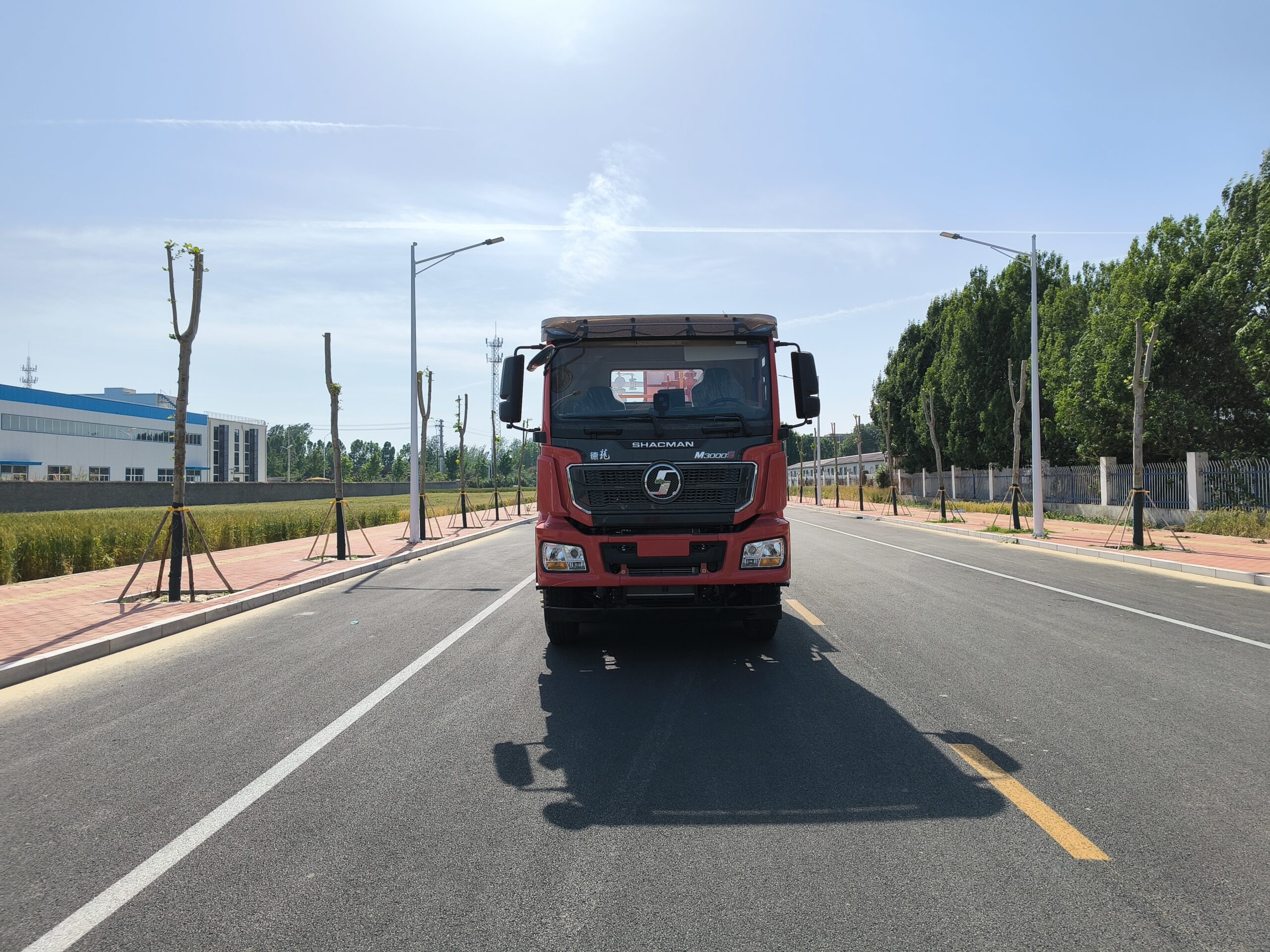
Fix the physical shipping configuration
Request transport dimensions and mass for the actual truck as prepared for shipment. Identify removable accessories, loose packages and any restrictions affecting carriage. The operating dimensions may differ from the shipping configuration, particularly where equipment is removed or secured for transport. Ask who reinstalls and checks those items at the destination. A freight estimate based on an early drawing can change when options are added, so keep the shipping data linked to the final equipment revision and the proposed carrier’s requirements.
Name the delivery point precisely
A trade term without a clearly named place can leave the parties comparing different boundaries. Request the agreed term, edition and named location in the quotation, then verify the allocation of costs and risks with the responsible commercial or logistics adviser. Do not infer detailed obligations from an abbreviation alone. Keep the equipment price separate from transport services and destination estimates. This makes it easier to compare alternative offers and identify whether a cost difference reflects the machine itself or a different point at which the seller’s stated delivery scope ends.
Build a destination-specific cost worksheet
List the charges expected beyond the seller’s quoted boundary and identify the party estimating each one. Import requirements, local transport, handling and registration depend on the actual destination and configuration; they should not be replaced with a generic percentage. Ask the buyer’s qualified customs and logistics providers to verify the assumptions. Confirm tariff classification and import eligibility with the destination’s qualified customs adviser. The procurement team should retain the basis and validity period of each estimate so a tentative budget is not confused with a confirmed delivered price.
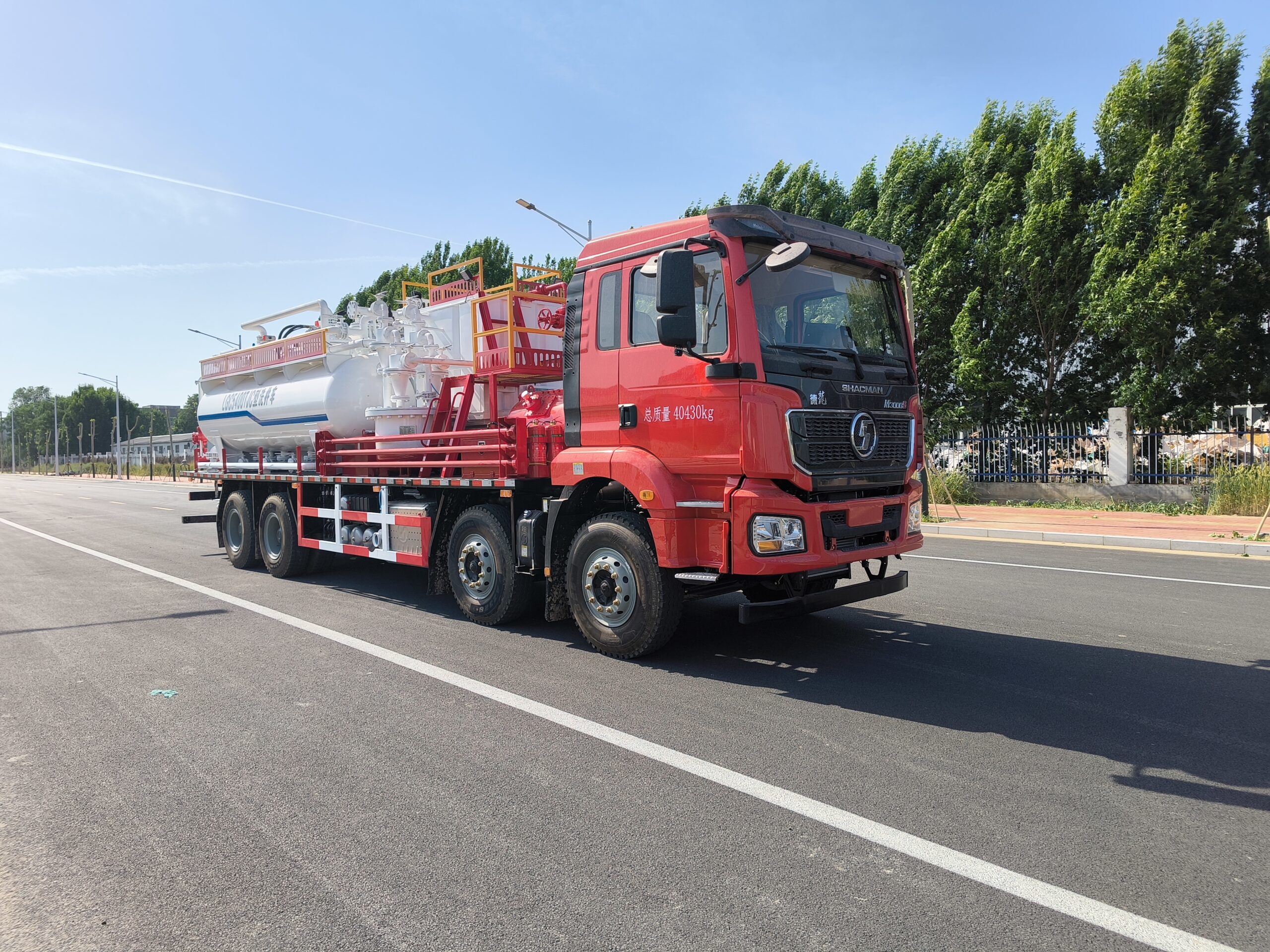
Include preservation and reinstatement
A truck may spend time in transit or storage before the field team receives it. Ask for the preparation and preservation scope, the loose-parts packing list and the receiving inspection requirements. Identify who performs any checks needed before road travel or commissioning after shipment. Freight alone does not include every step needed to make the equipment ready for its job. Compare responsibility for missing packages, damaged accessories and document discrepancies so the receiving team has a clear route for resolving issues before mobilization to the well site.
Keep changes visible through shipment approval
Reconfirm transport data when the ordered configuration changes and update the cost comparison if the delivery route or timing changes. Ask for a document schedule covering the records the parties have agreed are required for the shipment. Avoid substituting an assumed standard export pack for destination-specific advice. A useful purchase comparison shows the equipment cost, transport boundary, estimated local charges and unresolved items separately. That structure supports a commercial decision without pretending that an early quotation fixes every cost between the factory and the first operating location.
Check the last transport leg before comparing quotations
A truck arriving at a port or terminal still needs an appropriate route to the receiving location. Ask the responsible logistics provider to review the actual dimensions, mass and delivery conditions for that leg. Identify any reinstatement or inspection required before onward movement. Keep this work outside the seller’s price only when the exclusion is explicit and the buyer has budgeted it. The resulting worksheet should show who supplied each estimate and what remains uncertain, allowing the purchasing team to compare offers without silently assuming that arrival at a terminal means readiness at the field.
Put these items side by side in the bid review
| Purchase item | Question to resolve | Evidence to request |
|---|---|---|
| Transport data | Final shipping dimensions and mass | Configuration-linked packing information |
| Delivery boundary | Term, edition and named place | Written quotation and logistics review |
| Landed budget | Local charges and exclusions | Destination-provider estimates |
Suggested wording for the quotation request
Quote the flushing truck with a clearly named delivery point and the agreed trade-term edition. Provide final shipping data, packing scope, preservation and reinstatement responsibilities. Separate equipment and transport charges, identify exclusions and list the destination inputs needed before a reliable landed-cost comparison can be completed.
Keep the decision tied to the complete oilfield flushing truck: pump, drive, clean-fluid supply, pressure-control equipment and the defined site interfaces. A component option should not quietly change the agreed cleanout duty or move essential equipment outside the price. Ask the supplier to identify assumptions, exclusions and deviations in the written offer, then resolve them with the responsible engineering and purchasing teams. Use the approved equipment documentation and site procedures for setup, testing and operation.
For the wider equipment scope, consult the Oilfield Flushing Truck: Price and Cost Guide. Use the RFQ checklist to collect the supporting documents before requesting a configuration-specific quotation.
Buyer questions
Can an export price be treated as the final site-delivered cost?
Only if the written offer actually covers that boundary and the relevant services. Identify all excluded and estimated costs explicitly.
Does a trade term settle every contract issue?
No. Equipment acceptance, payment, support and other obligations still need their own agreed provisions and qualified review where appropriate.
Background and supplier contact
ICC Incoterms® resources offers related background, not certification of the equipment in a quotation. Applicability must be checked for the project and destination.
Explore the oilfield flushing truck, browse all technical resources, or visit Vance Petroleum for company information. Send the relevant job inputs when requesting an equipment proposal.