Separate configuration from condition
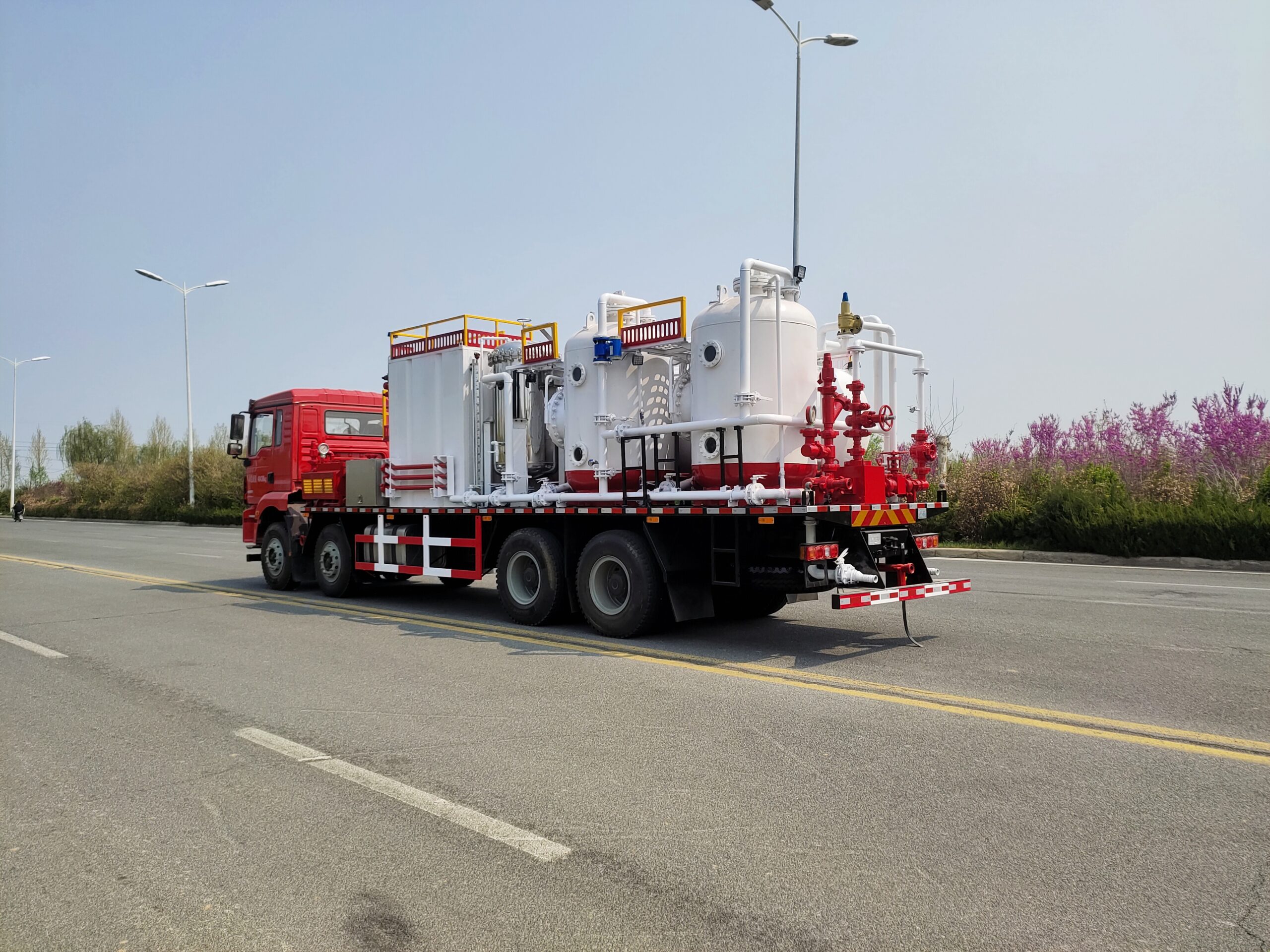
First confirm what the actual unit contains: chassis, drive, pump, fluid end, tank and controls. Then assess their condition using qualified inspection and available records. An original brochure may describe options that are not installed or components that have since been replaced. Ask for identification and photographs of the machine offered, while recognizing that photographs cannot establish internal condition. This distinction prevents the buyer from assuming that a familiar model name guarantees the duty, materials or remaining support capability required for the next campaign.
Request a service history that can be reconciled
Look for maintenance records, significant repairs, component changes and the known operating fluids and duties. Check whether recorded hours refer to the chassis, pump drive or another counter. Missing history creates uncertainty; it should not be replaced with an optimistic statement that the truck has seen light use. Ask which records can be independently tied to the serial numbers on the machine. Where information is unavailable, identify the additional inspection or replacement work needed before the unit can be considered for the intended service.
Define what refurbished actually includes
A fresh coating or engine service does not establish the condition of the pressure-containing equipment, controls or chassis integration. Ask the seller for an itemized refurbishment scope, with replaced components, inspection results and remaining exclusions. Identify who performed the work and the documents available for review. Compare the final offered configuration against the required duty just as for a new unit. The buyer should know whether the price includes a complete assessed package or a machine requiring further engineering, repairs and acceptance work after delivery.
Include destination and support consequences
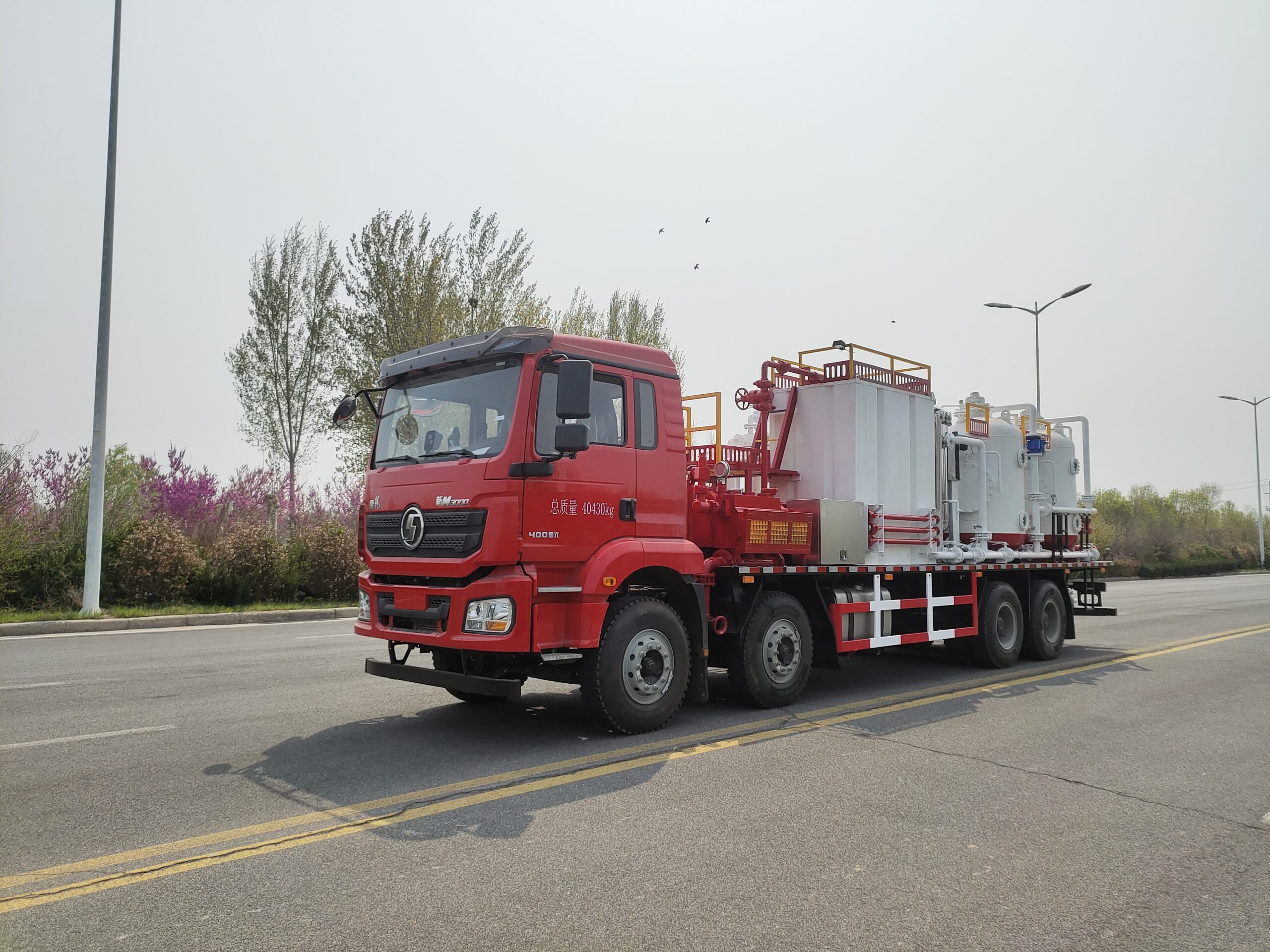
Check whether the actual chassis and installed equipment can be registered, imported and supported at the destination, using qualified local advice where needed. Older components may require different diagnostic tools or replacement parts from the buyer’s current fleet. Add transport, inspection, remedial work and expected downtime to the comparison. A new unit also needs a defined scope and acceptance plan; newness is not proof that an unspecified configuration meets the job. Evaluate both offers against the same operational requirements rather than assuming one option is inherently risk-free.
Use uncertainty as a decision input
List unresolved condition questions and the cost or schedule exposure associated with resolving them. Ask for access and documentation before a binding acceptance decision, with appropriate qualified inspection arrangements. Avoid assigning a universal remaining life from age or appearance. If a critical uncertainty cannot be reduced to an acceptable level, the lower purchase price may not justify proceeding. Confirm availability with the seller using an offer that identifies the actual machine, installed configuration and condition.
Keep unknown condition separate from a negotiated discount
A price reduction does not establish the condition of an uninspected component. List the unresolved items and decide what evidence or remedial work is needed before the machine can be accepted for the intended duty. If access is limited, record that limitation explicitly in the purchasing review. Do not convert missing service history into an assumed maintenance saving or remaining-life estimate. A used-equipment comparison becomes more defensible when condition, required work and commercial terms are treated as separate inputs rather than combined into one subjective judgement about apparent value.
Put these items side by side in the bid review
| Purchase item | Question to resolve | Evidence to request |
|---|---|---|
| New build | Confirmed ordered configuration | Approved design and acceptance scope |
| Used unit | Identity, history and condition | Serial-linked records and qualified inspection |
| Refurbishment | Work performed and work excluded | Itemized remediation and test evidence |
Suggested wording for the quotation request
Identify whether the offer is new, used or refurbished and provide the actual configuration and equipment references. For a previously operated unit, supply available service history, inspection findings and a priced remediation scope. State unresolved conditions, destination limitations and the acceptance arrangements proposed for the specific machine.
Keep the decision tied to the complete oilfield flushing truck: pump, drive, clean-fluid supply, pressure-control equipment and the defined site interfaces. A component option should not quietly change the agreed cleanout duty or move essential equipment outside the price. Ask the supplier to identify assumptions, exclusions and deviations in the written offer, then resolve them with the responsible engineering and purchasing teams. Use the approved equipment documentation and site procedures for setup, testing and operation.
For the wider equipment scope, consult the Oilfield Flushing Truck Manufacturer Guide. Use the RFQ checklist to collect the supporting documents before requesting a configuration-specific quotation.
Buyer questions
Can operating hours alone establish used-truck condition?
No. Duty, fluids, maintenance, repairs and the condition of individual systems also matter, and the meaning of each hour counter must be clear.
How should used-equipment availability be confirmed?
Request a current offer identifying the machine, its installed configuration, condition and sale terms. Confirm availability with the seller before arranging inspection or transport.
Background and supplier contact
OSHA oil and gas extraction guidance offers related background, not certification of the equipment in a quotation. Applicability must be checked for the project and destination.
Explore the oilfield flushing truck, browse all technical resources, or visit Vance Petroleum for company information. Send the relevant job inputs when requesting an equipment proposal.