Distinguish pressure loss from cleaning performance
Record differential pressure at the actual flow and fluid condition. Rising pressure loss may indicate accumulated material, but outlet quality still needs its own acceptance check. A low differential can also occur when flow changes or a filter is incorrectly installed. Interpret the measurement with the circuit line-up and the approved element specification.
Review service capacity before starting
Estimate how often the expected solids load may require inspection or element replacement. Confirm whether the arrangement can be serviced while maintaining the approved return route. Provide appropriate containment and spare elements with verified references. A nominal filter flow rating on clean liquid does not establish endurance through a debris-heavy flushing job.
Control any alternate route
If the design includes a bypass, its permitted use and destination must be explicit. Bypassing may expose a downstream tank or pump to material the filter normally removes. The operator should not use it simply to restore flow without considering those consequences. Log the condition, routing and maintenance performed before restoring the normal arrangement.
Evidence to collect for this decision
| Condition | Review action | Useful evidence |
|---|---|---|
| Increasing differential | Check load at a comparable rate | Pressure, flow and temperature trend |
| Frequent replacement | Review solids duty and filter size | Element history and returned solids |
| Bypass proposed | Confirm approved destination | Operating procedure and downstream limits |
Keep these observations with the equipment reference and operating conditions. When comparing proposals or service findings, check that each record describes the same configuration and duty. Resolve missing inputs with the responsible engineer before treating an estimate as an accepted operating limit.
Turn the symptom into a traceable service decision
Useful fault records describe the condition immediately before the symptom, its duration and the operating response. Include the equipment identification, installed part references, fluid or process conditions and the last relevant maintenance. Compare with a baseline recorded when performance was acceptable. If several readings changed, retain their timing: the first change may help distinguish the initiating problem from its consequences.
A service decision should identify what will be inspected, what evidence permits reuse and what finding requires replacement or specialist assessment. The original equipment instructions govern isolation, disassembly and return to service. Keep removed-part findings with the work record. After an approved repair, verify the affected function under the agreed conditions and monitor for recurrence. Replacing a component can restore operation without proving the original cause has been removed, so the follow-up observation is part of the diagnosis.
Apply the review to the offered oilfield flushing truck
The clean-fluid supply and debris-bearing return perform different functions. Protect the pump from unsuitable recovered liquid while preserving the approved return route. Keep filter service, retained solids and any permitted bypass arrangement visible in the job plan.
- Cleanout pressure: record the project range and identify whether the value is measured, calculated or still provisional.
- Circulation rate: state the accepted limit and the equipment or process boundary to which it applies.
- Tank volume: include variation through the job instead of relying only on the normal operating value.
- Expected solids loading: identify the responsible supplier or site team and the evidence needed before acceptance.
- Fluid and elastomer compatibility: review the case that governs this requirement and retain its basis with the equipment records.
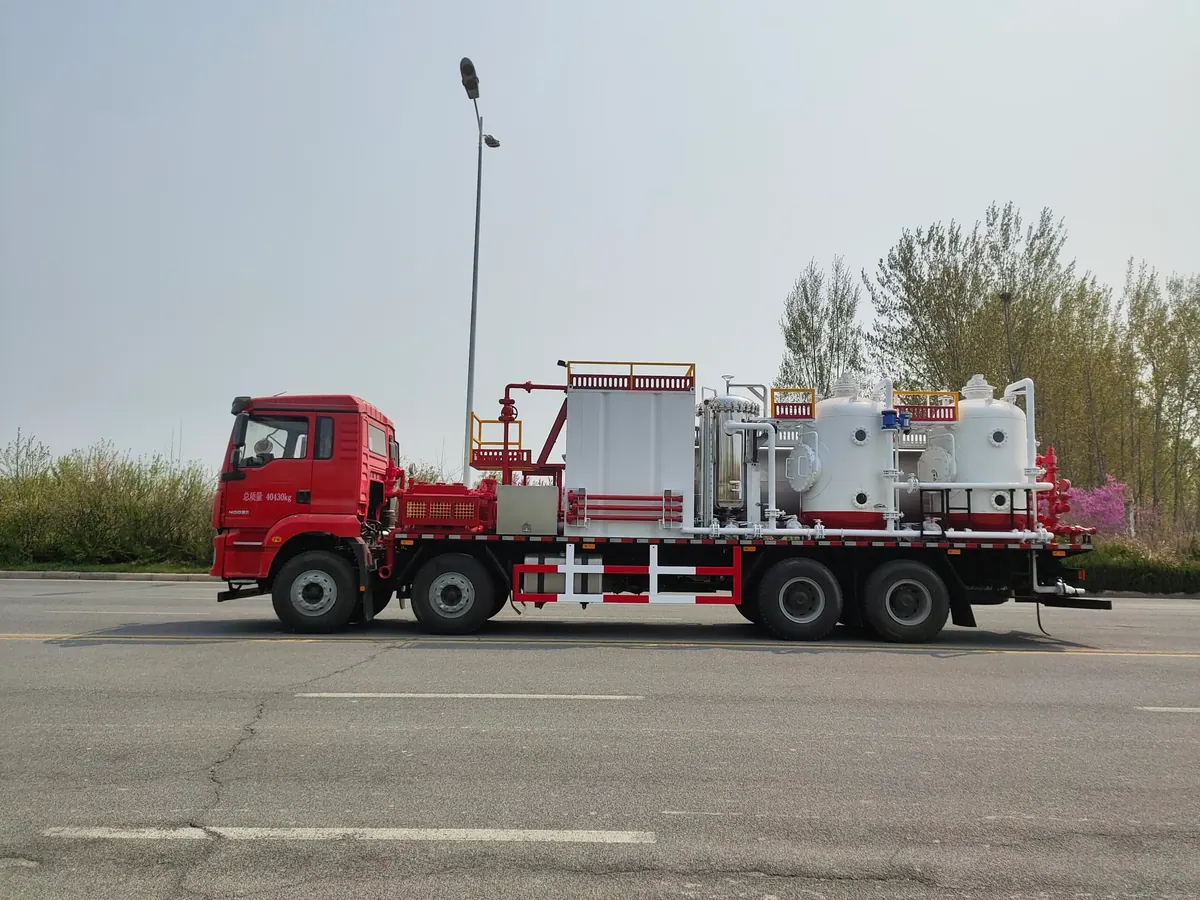
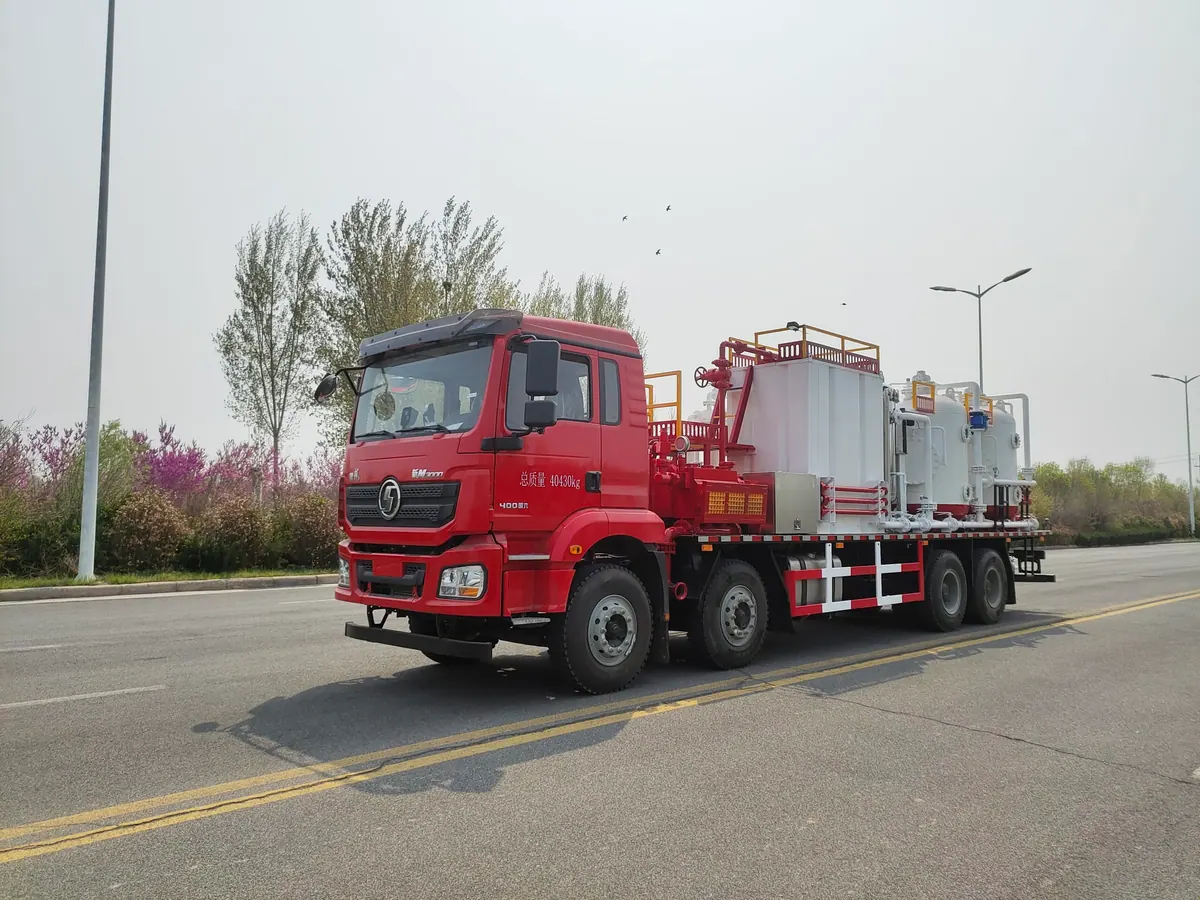
The complete package is intended for pumping cleanout fluid at controlled pressure and rate to remove debris, scale and deposits from wells and surface lines. Confirm the scope of the high-pressure plunger pump, clean-fluid tank, filtration and return manifold, hose reel and pressure-control package against the selected duty. Use the specifications and sizing guide for the broader equipment requirements and the RFQ checklist to organize the supporting documents.
Questions about this equipment decision
Does opening the filter bypass solve return-system restriction?
It changes the flow path but may send contaminants downstream. Its use must follow the engineered arrangement and approved operating procedure.
What information helps review this oilfield flushing truck requirement?
Provide pressure, flow and temperature trend; element history and returned solids; operating procedure and downstream limits, together with the installed equipment identification and the proposed operating conditions.
References and project support
Oil and gas equipment safety resources provides additional background. For the equipment range and company information, visit Vance Petroleum. Share the relevant duty and records when requesting a project-specific review.