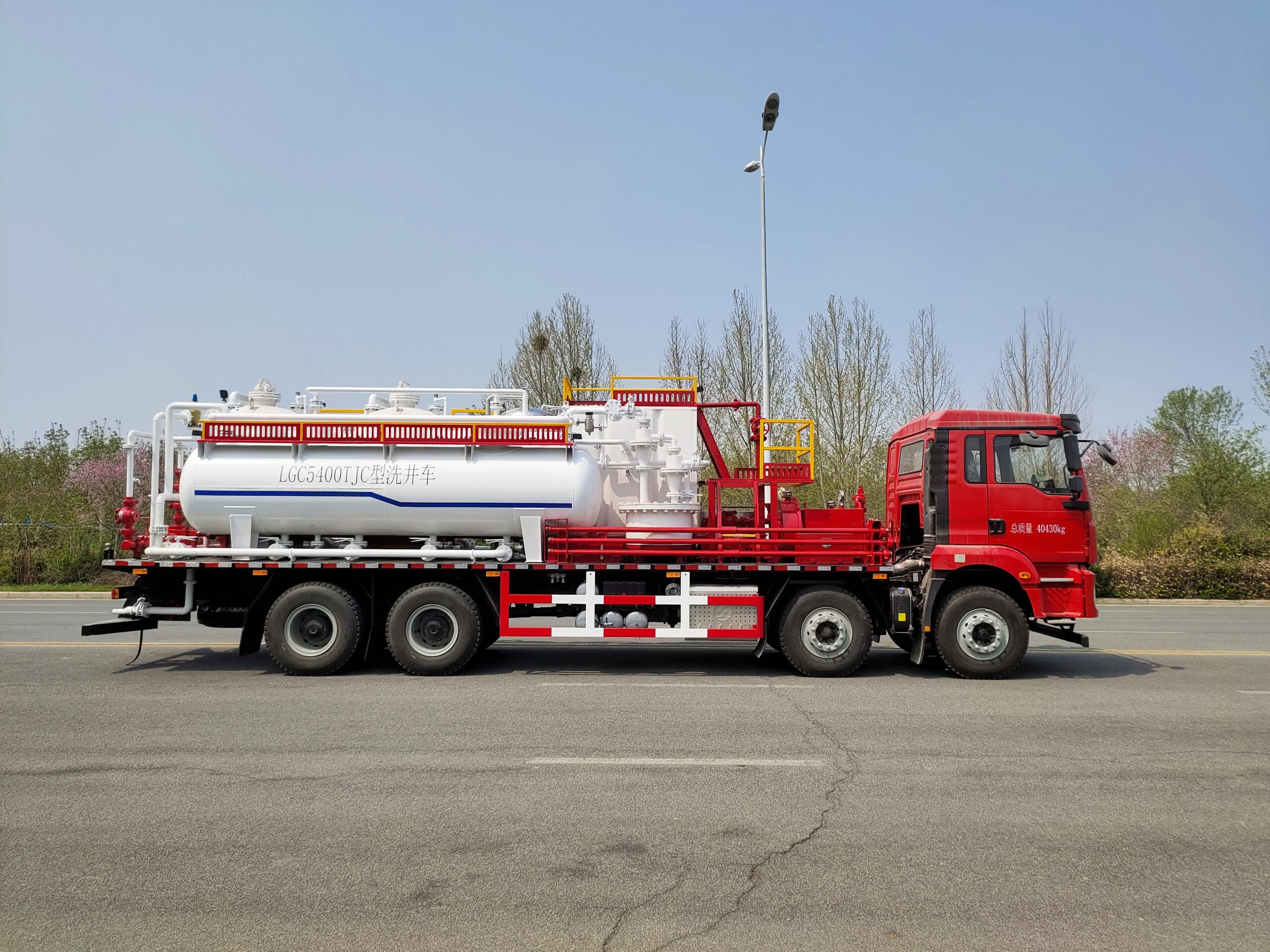
Define where the returned fluid will go
Draw the route from clean-fluid supply through the truck and job connection to the receiving equipment. Identify who owns each tank, transfer pump and treatment stage. A truck quotation that includes a return connection does not necessarily include a recovery system. Record expected changes in solids, hydrocarbons or chemistry during the job rather than assuming the return resembles the initial supply. The purchasing decision concerns the complete handling boundary; the existing filter-loading guide addresses only one part of that wider arrangement.
Compare single-pass logistics honestly
A single-pass arrangement requires a dependable source of suitable fluid and an approved route for the resulting waste stream. Include supply transport, transfer capacity, receiving volume and any waiting time in the operating comparison. It may be a practical choice where fluid conditions make reuse unsuitable or the site already provides the handling infrastructure. It is not automatically wasteful or cheaper. Ask which support items are included in the truck offer and which costs remain outside it, especially when comparing a standalone vehicle with an integrated package.
Establish what recovery must accomplish
Recovery should be evaluated against the quality required for the next pumping pass and the restrictions of the installed equipment. Removing visible solids does not demonstrate removal of dissolved substances or establish compatibility with seals and wetted components. Request a defined inlet range and outlet acceptance basis for the recovery package. The responsible process team should decide whether reuse is appropriate for the job. Where the fluid cannot meet that basis, the system needs an agreed alternative route rather than an assumption that every returned volume can be reused.
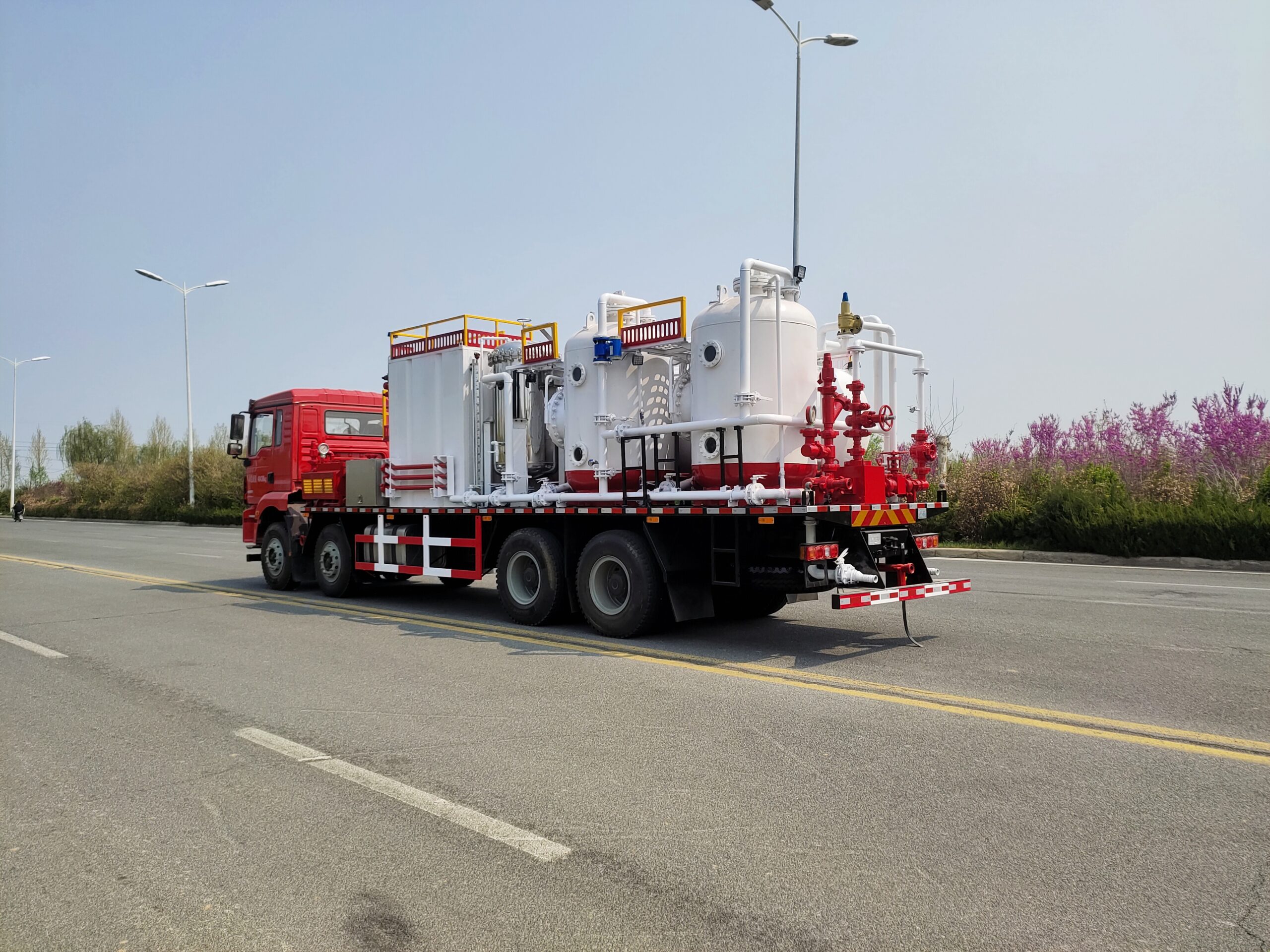
Allow for changing inventory and rejected fluid
A recirculating arrangement can still require make-up fluid, storage and disposal capacity. Losses, retained solids and rejected batches affect the inventory balance. Ask the supplier to show how changes in return rate are managed and which conditions restrict continued recovery. Include the space and power required by supporting equipment. Compare the footprint available at the site with the complete layout, not just the road dimensions of the flushing truck. A recovery option that cannot be accommodated safely at the location offers little practical purchasing value.
Assign responsibility for treatment performance
The truck supplier, treatment supplier and site operator should not each assume another party controls return quality. Put the required sampling, operating boundaries and handover evidence into the supply scope. Agree on the conditions for demonstrating recovery and the limitations of a clean-water factory trial. Evaluate cost using the same job volume and handling assumptions for both alternatives. Select recovery only where its process capability and field logistics are supported, rather than relying on a universal fluid-saving percentage unsupported by the actual return characteristics.
Ask what happens to a return batch that cannot be reused
The proposed system should describe its handling boundary when the return falls outside the agreed reuse criteria. Ask which storage, transfer and disposal resources remain necessary and who provides them. Do not allow a headline recovery capacity to replace this discussion. A package that performs well under a favorable feed condition can still be unsuitable for a campaign with widely changing returns. Put both the normal reuse case and the off-spec handling case into the commercial review so the supporting equipment is not discovered only after the truck reaches the site.
Put these items side by side in the bid review
| Purchase item | Question to resolve | Evidence to request |
|---|---|---|
| Single pass | Supply and disposal capacity | Complete logistics estimate |
| Recovery | Quality required for reuse | Inlet range and outlet criteria |
| Variable returns | Make-up and rejected volumes | Inventory balance and routing plan |
Suggested wording for the quotation request
Provide separate single-pass and recovery-assisted configurations for the attached return-fluid description. Define treatment scope, sampling requirements, make-up demand, rejected-fluid routing and site utilities. Identify which party is responsible for each stage and state limitations that prevent reuse of the returned fluid.
Keep the decision tied to the complete oilfield flushing truck: pump, drive, clean-fluid supply, pressure-control equipment and the defined site interfaces. A component option should not quietly change the agreed cleanout duty or move essential equipment outside the price. Ask the supplier to identify assumptions, exclusions and deviations in the written offer, then resolve them with the responsible engineering and purchasing teams. Use the approved equipment documentation and site procedures for setup, testing and operation.
For the wider equipment scope, consult the Oilfield Flushing Trucks: Return Filter Loading and Bypass. Use the RFQ checklist to collect the supporting documents before requesting a configuration-specific quotation.
Buyer questions
Does a return filter make the truck a complete recycling system?
No. A filter addresses selected material under defined conditions; it does not establish the full quality or handling requirements for reuse.
Can recovery eliminate disposal requirements?
Do not assume so. Rejected fluid, separated solids and other residual streams still require appropriate handling and destination-specific review.
Background and supplier contact
EPA oil and gas extraction effluent guidance offers related background, not certification of the equipment in a quotation. Applicability must be checked for the project and destination.
Explore the oilfield flushing truck, browse all technical resources, or visit Vance Petroleum for company information. Send the relevant job inputs when requesting an equipment proposal.