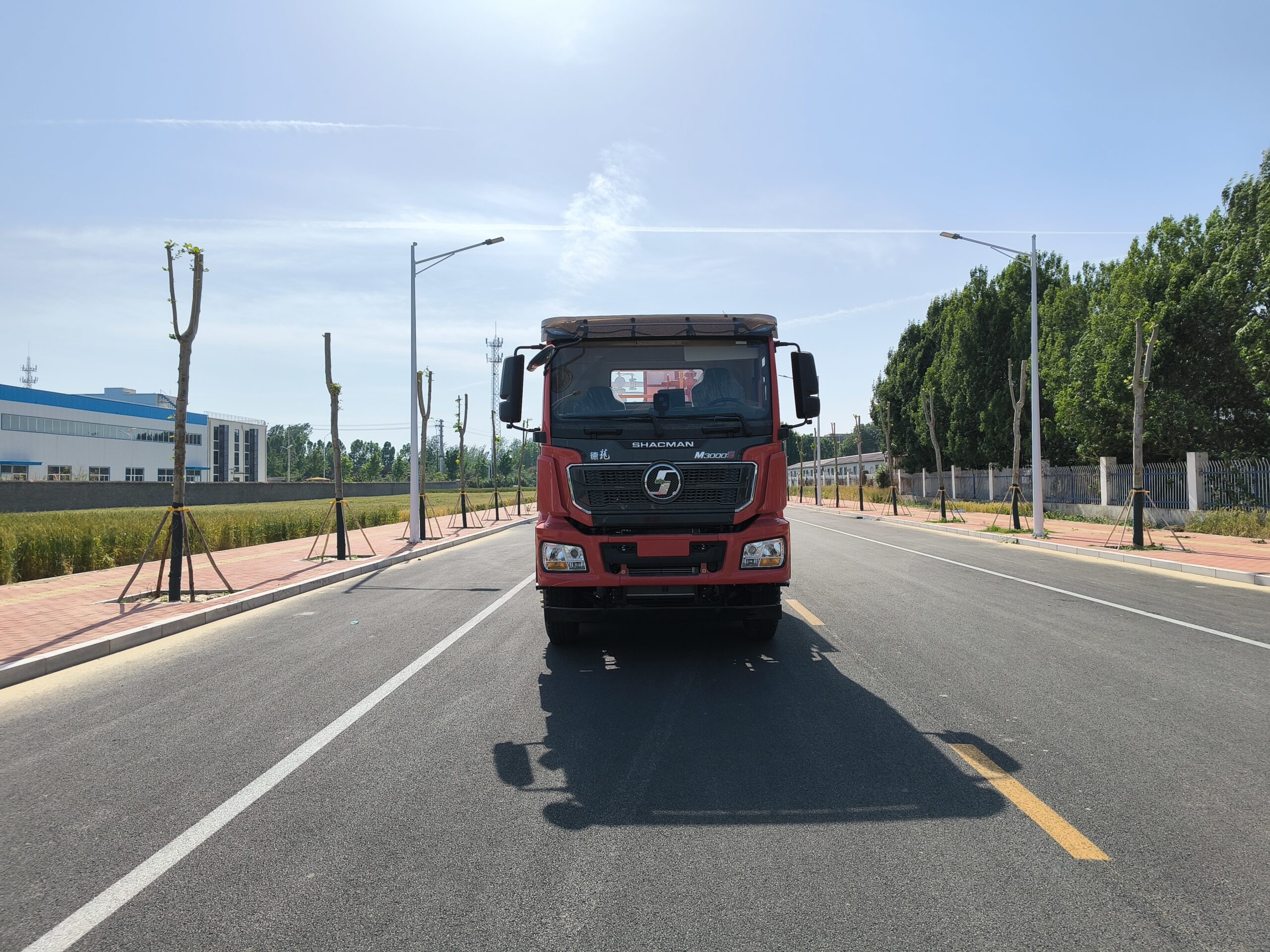
Identify where the truck receives its fluid
State whether the high-pressure pump is supplied from its own tank, a nearby storage tank or an external transfer line. Record the relative levels, connection sizes, expected supply variation and the proposed fluid condition. Long temporary connections and changing tank levels can make the field arrangement different from a short factory test loop. Ask the supplier to show the inlet assumptions next to the quoted pump duty. An unstated requirement for a pressurized clean supply is a commercial exclusion, not a detail to resolve during commissioning.
Evaluate the complete inlet path
Include valves, strainers, bends, flexible connections and the condition of temporary hoses in the review. The selected pump manufacturer should confirm the allowable inlet conditions for the fluid and operating range. Do not choose inlet components solely from the discharge connection size. Request a drawing that identifies the equipment owned by the truck supplier and the items supplied by the site. This boundary makes it possible to evaluate the full arrangement without each supplier assuming that another party has already accounted for a restrictive component.
Decide whether a booster is actually required
A booster package should solve a defined supply limitation, not serve as a universal accessory on every quotation. Ask for the required inlet condition, the expected field supply and the basis for any proposed boost. Review the booster drive, control method, low-level response and interaction with the high-pressure pump. Specify who provides electrical or mechanical power and what happens when the upstream source cannot keep up. A booster cannot compensate for an empty source tank, an unsuitable fluid or an unresolved restriction elsewhere in the supply path.
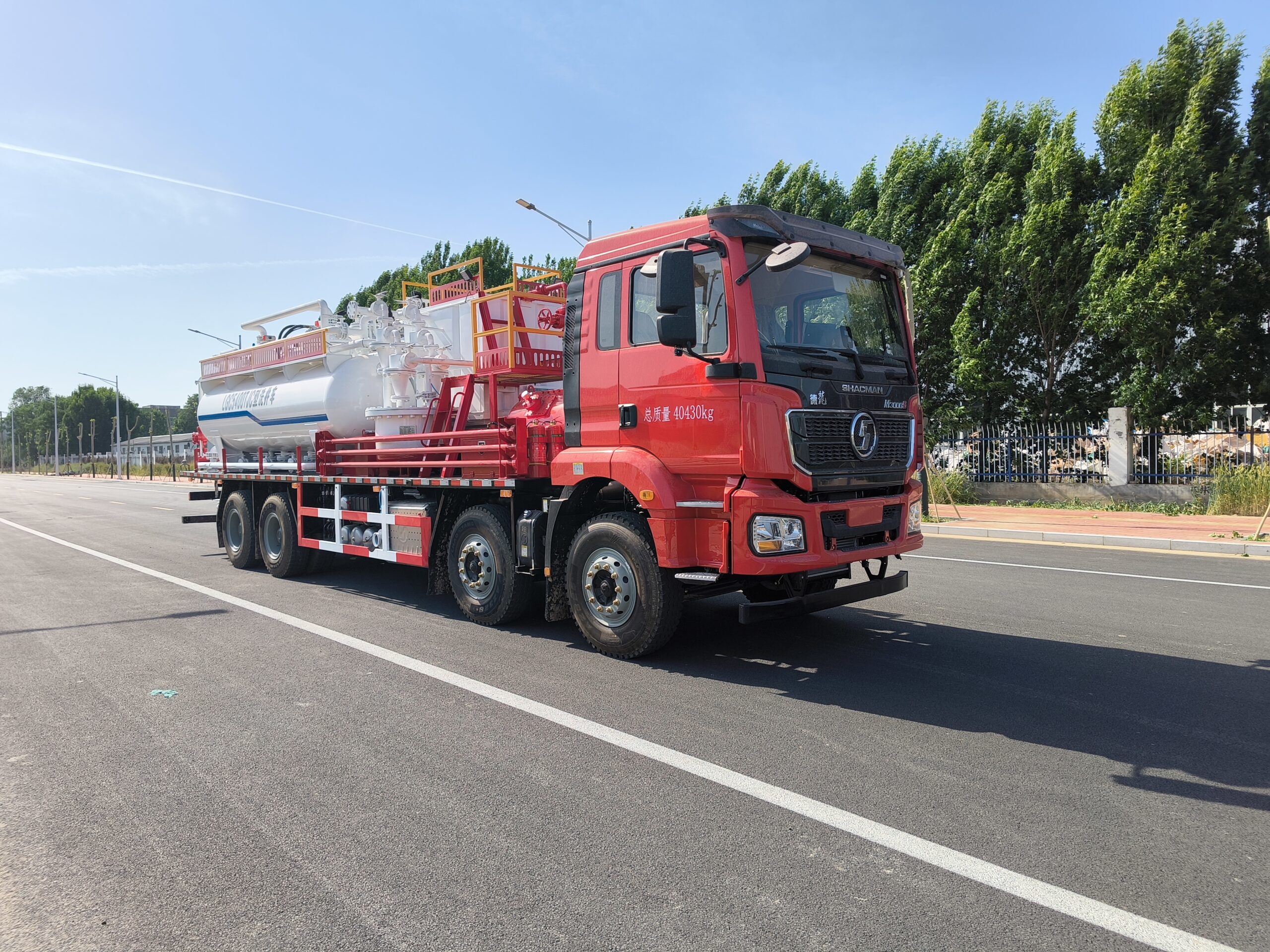
Include monitoring and maintainable access
Ask where inlet pressure or other relevant supply measurements will be taken and how the operator will recognize a developing supply problem. Compare access for inspection and cleaning with the time available between jobs. A strainer placed behind unrelated equipment may be nominally serviceable but inconvenient in the real truck layout. Confirm the safe isolation arrangements and the manufacturer instructions for each component. Equipment protection should be reviewed through the approved control design, rather than relying on an operator to infer every inlet problem from discharge pressure alone.
Use a representative supply case for acceptance
The demonstration should identify tank level, fluid temperature, supply plumbing and pump operating point. If the final temporary supply line cannot be reproduced, document the difference and the supporting assessment. Include the proposed booster, sensors and interlocks in the installed-system evidence when they are part of the order. Resolve responsibility for any site-supplied transfer pump before closing the technical offer. This avoids discovering that a truck which performed correctly on the factory loop cannot achieve the same duty from the buyer’s planned fluid source.
Identify the supply equipment omitted from the price
A bid can appear complete while requiring the buyer to provide a clean-fluid transfer pump, power cable or connection assembly. Put these items into the comparison before ranking the offers. Ask whether the quoted pump duty assumes a tank level or inlet pressure that the site can maintain throughout the job. If not, obtain a revised scope rather than accepting the shortfall as an operating detail. The final order should make it clear which supply conditions the truck is designed to receive and which equipment establishes those conditions.
Put these items side by side in the bid review
| Purchase item | Question to resolve | Evidence to request |
|---|---|---|
| Own tank | Lowest intended supply level | Tank arrangement and pump inlet limits |
| External supply | Distance and available condition | Interface drawing and line assessment |
| Booster option | Defined supply shortfall | Selection basis and control description |
Suggested wording for the quotation request
State the required inlet conditions for every quoted pumping case and compare them with the attached supply arrangement. Identify any booster, strainer, monitoring or site transfer equipment required. Quote the complete inlet scope and list the factory test conditions, including differences from the proposed field supply.
Keep the decision tied to the complete oilfield flushing truck: pump, drive, clean-fluid supply, pressure-control equipment and the defined site interfaces. A component option should not quietly change the agreed cleanout duty or move essential equipment outside the price. Ask the supplier to identify assumptions, exclusions and deviations in the written offer, then resolve them with the responsible engineering and purchasing teams. Use the approved equipment documentation and site procedures for setup, testing and operation.
For the wider equipment scope, consult the Oilfield Flushing Truck: Utility Planning. Use the RFQ checklist to collect the supporting documents before requesting a configuration-specific quotation.
Buyer questions
Should every flushing truck include a booster pump?
No. A booster should be selected against a documented inlet requirement and a real supply shortfall. Some installations may not require one.
Can a discharge-pressure test prove adequate field supply?
Not alone. The test inlet arrangement and conditions must be compared with the actual tank levels, fluid and supply path planned for the job.
Background and supplier contact
Pump inlet and troubleshooting background offers related background, not certification of the equipment in a quotation. Applicability must be checked for the project and destination.
Explore the oilfield flushing truck, browse all technical resources, or visit Vance Petroleum for company information. Send the relevant job inputs when requesting an equipment proposal.