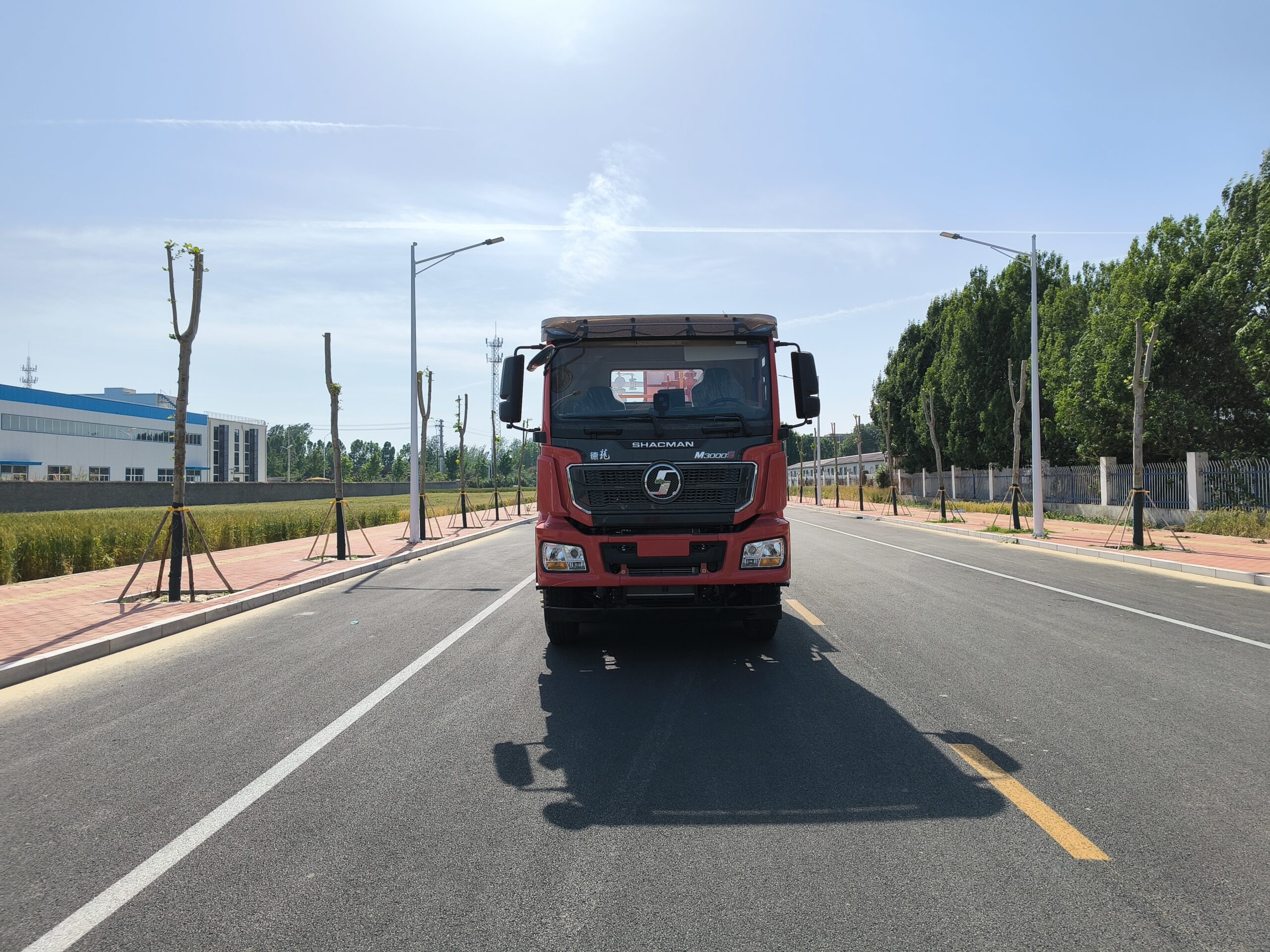
Describe the work before comparing pump ratings
Separate normal circulation, the highest required treating pressure and any low-rate flushing work into distinct duty cases. For each case, record the fluid, inlet condition, expected operating duration and return arrangement. The requested pressure must be defined at a stated location: a pump discharge reading is not automatically the pressure available at the well connection. Keep the well program separate from equipment selection; the responsible well engineer establishes permissible operating limits. A truck supplier should explain which equipment configuration can support those limits, not determine them from a sales enquiry.
Ask for a simultaneous operating envelope
Request a table showing delivered flow at each required pressure, together with pump speed and installed power demand. A maximum pressure may require a smaller plunger or a reduced rate, while maximum displacement may apply only at a lower pressure. Ask whether changing between the quoted cases requires replacement parts or a different drive ratio. If two offers use different plunger configurations, compare the time, tools and parts needed for the change as well as the nominal output. A larger nameplate does not resolve an unavailable operating combination.
Include the installed power chain
The useful hydraulic output depends on the engine or power take-off, transmission, pump and auxiliaries working together. Ask the supplier to show the power balance for the actual drive arrangement, including relevant losses and auxiliary loads. A bare engine rating does not establish the continuous power available at the pump shaft under the site conditions. Identify any ambient-temperature or altitude assumptions and ask which case controls cooling capacity. Compare complete installed packages rather than a pump catalogue on one side and an engine catalogue on the other.
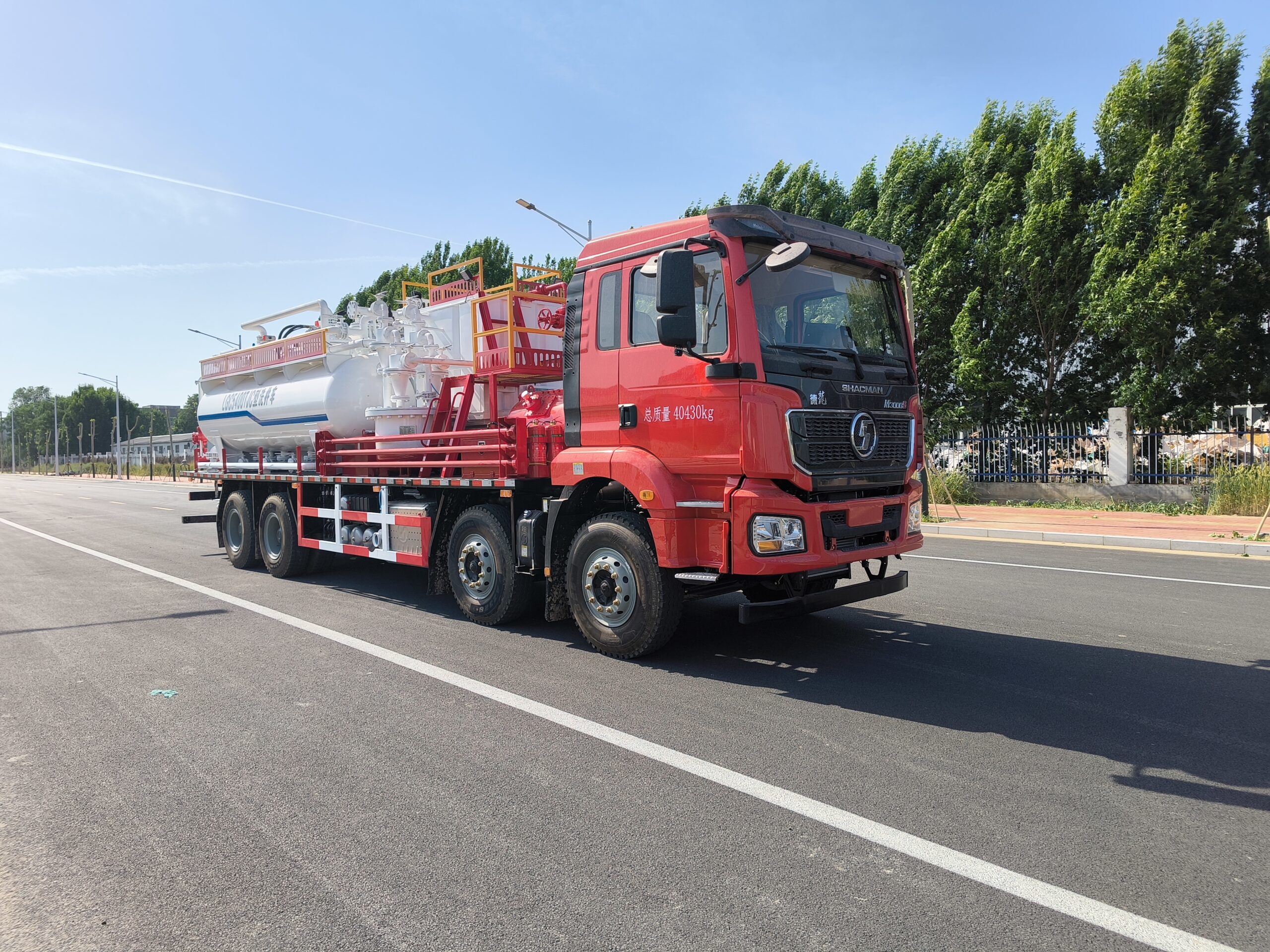
Make the acceptance evidence match the enquiry
For a meaningful demonstration, the test record should identify the installed pump, fluid end, speed, instrumentation and fluid used. Agree which duty cases will be demonstrated and how stable operation will be judged. If the factory cannot reproduce the field fluid or ambient conditions, record the limitation and the engineering basis for extrapolation. Do not accept one short unloaded run as evidence for sustained delivery at the most demanding duty point. The broader factory acceptance checklist remains useful, but this decision needs a specific pressure-flow evidence table.
Choose by delivered capability, not spare maximums
An oversized maximum pressure can add cost and weight without improving the circulation task. Conversely, inadequate continuous power may force a reduction in rate precisely when the well program needs it. Rank compliant offers by the verified duty coverage, changes needed between cases, maintenance access and total installed scope. Keep unsupported maxima out of the commercial comparison until the supplier provides their conditions. If the required combination is not feasible on the proposed chassis, review the package architecture rather than quietly relaxing the duty in the purchase order.
Read the footnotes on the performance table
One bidder may quote pump-shaft power while another reports engine nameplate power. Ask each to complete the same worksheet and identify every value that is estimated rather than demonstrated. If a maximum is accompanied by a change of plunger size or pump speed, place it in a separate configuration row. Keep the cost and delivery effect of that change next to the output it enables. This makes the commercial choice visible: the buyer is purchasing an installed operating combination, not a collection of maximum values that cannot be used together.
Put these items side by side in the bid review
| Purchase item | Question to resolve | Evidence to request |
|---|---|---|
| Normal circulation | Rate at the defined connection | Pump curve and installed-power calculation |
| High-pressure case | Available flow at the same pressure | Identified fluid end and test record |
| Changing duty | Parts and time needed for conversion | Configuration-change schedule |
Suggested wording for the quotation request
Please quote an oilfield flushing truck against the attached duty-case table. State delivered pressure and flow simultaneously, the measurement location, continuous operating assumptions, installed power consumption and any configuration changes between cases. List exclusions and identify the test evidence proposed for each duty point.
Keep the decision tied to the complete oilfield flushing truck: pump, drive, clean-fluid supply, pressure-control equipment and the defined site interfaces. A component option should not quietly change the agreed cleanout duty or move essential equipment outside the price. Ask the supplier to identify assumptions, exclusions and deviations in the written offer, then resolve them with the responsible engineering and purchasing teams. Use the approved equipment documentation and site procedures for setup, testing and operation.
For the wider equipment scope, consult the Oilfield Flushing Truck: Specs and Sizing. Use the RFQ checklist to collect the supporting documents before requesting a configuration-specific quotation.
Buyer questions
Does a higher maximum pressure mean a better flushing truck?
No. The useful comparison is whether the truck delivers the required rate at the required pressure for the specified duration. Unused pressure capability cannot compensate for insufficient circulation flow.
Can one pump rating cover every fluid-end option?
Do not assume so. Ask the supplier to identify the plunger size, pump speed and allowable pressure for each offered configuration, including conversion parts.
Background and supplier contact
Pump application information offers related background, not certification of the equipment in a quotation. Applicability must be checked for the project and destination.
Explore the oilfield flushing truck, browse all technical resources, or visit Vance Petroleum for company information. Send the relevant job inputs when requesting an equipment proposal.