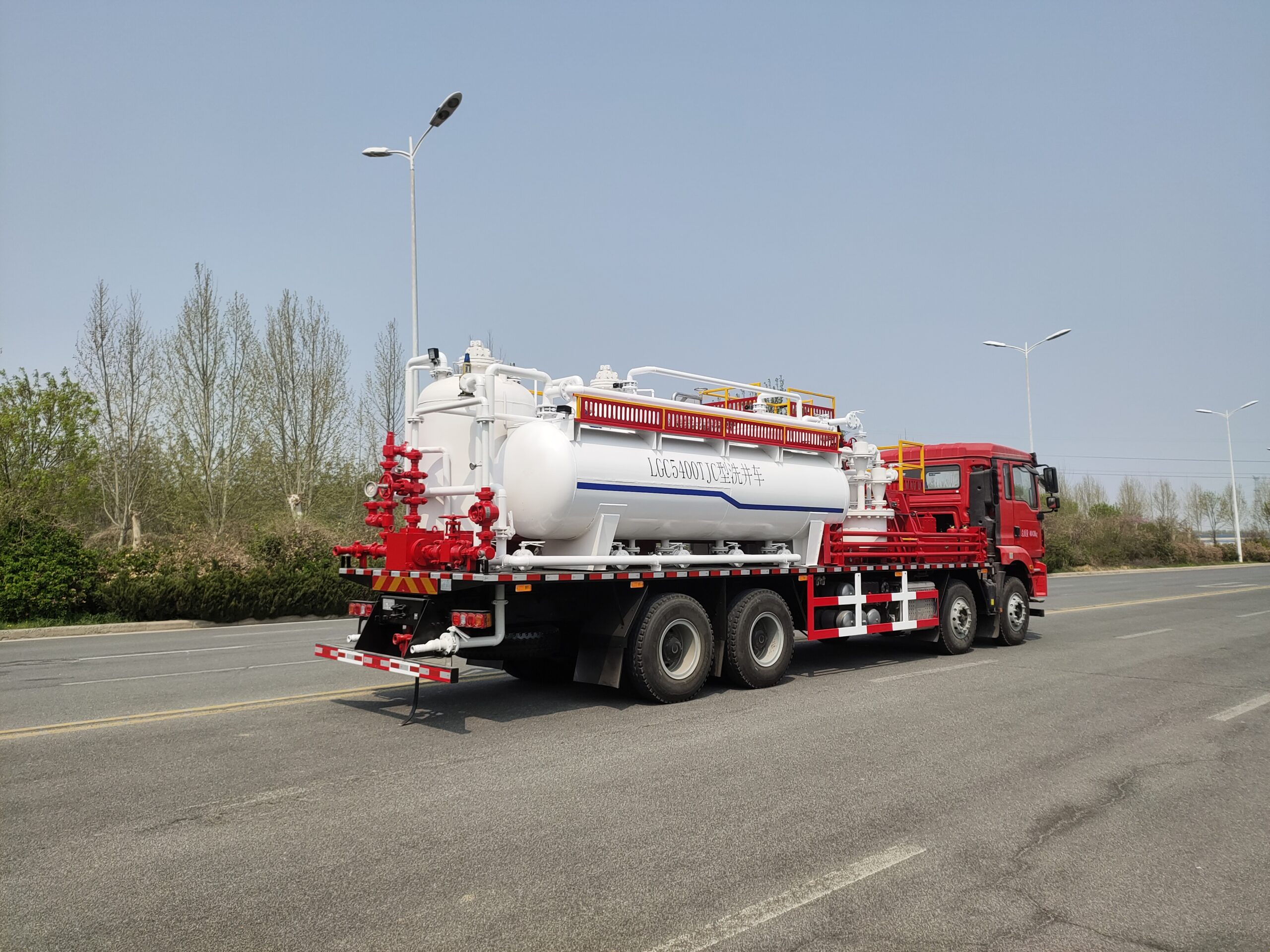
Define the actual connection route
Identify the truck discharge connection, the site connection and the intended route between them. Include the space needed to position the truck outside restricted areas and maintain access for personnel. A straight-line distance is not a reliable ordered length when the route must avoid equipment or accommodate the approved connection geometry. Ask the supplier to distinguish permanently installed piping from removable hoses and accessories. The bill of materials should show which complete assemblies are delivered and which site interfaces remain the buyer’s responsibility.
Specify assemblies rather than loose components
Request identification of the complete hose assembly, including hose, end connections and the assembly manufacturer. Physical connection compatibility does not establish suitability for the proposed service. Ask for the documented pressure and temperature envelope, fluid compatibility and any limitations affecting repeated use. Define the applicable project requirements with qualified personnel; do not assume that two visually similar couplings have interchangeable ratings. A quotation for loose hose and unrelated fittings should not be treated as equivalent to a documented complete assembly with traceable identification.
Compare length and bore with the pumping duty
Longer hoses and smaller internal passages can affect pressure loss and handling, while larger assemblies may increase mass and storage needs. Ask for a review at the intended flow and fluid conditions rather than selecting a diameter solely because it matches a convenient site adapter. Include the changes introduced by every connector and manifold in the quoted route. Request separate pricing for genuinely optional extensions so the core package remains clear. Extra length that is never required can make deployment more cumbersome without improving useful reach.
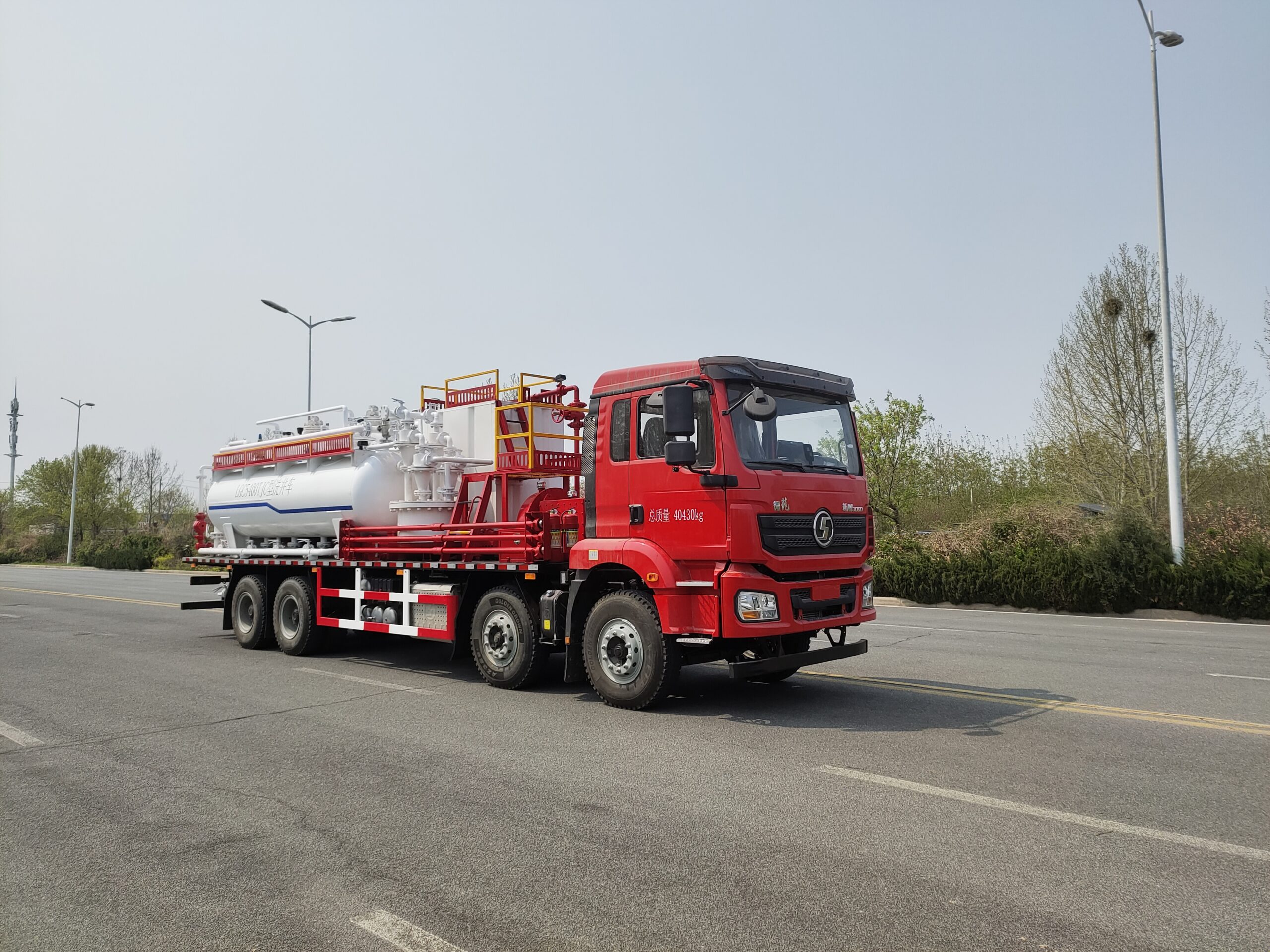
Review reels, storage and inspection access
A reel is part of the handling system, not a guarantee that every hose can be stored or used in any configuration. Ask how the offered assembly is accommodated within its manufacturer limits and what access is provided for inspection. Confirm the storage arrangement for removed hoses, end protection and identification of assemblies taken out of service. Consider the equipment and personnel needed to move the package. Procurement should support the approved handling method instead of leaving crews to improvise around excessive assembly weight or inaccessible connections.
Make acceptance traceable to the delivered set
The packing list, identification markings and supplied records should refer to the same assemblies. Agree on the inspection and documentation scope before order placement, including responsibility for any test specified by the project. Review the replacement path and whether a locally sourced replacement would require approval. Keep spare seals, adapters and tools distinct from the primary assembly rating. A complete handover lets the buyer track which hose was supplied and the conditions under which it is approved, rather than relying on an unlabelled bundle delivered with the truck.
Check the base package against the packing list
Ask for a sample packing list early enough to identify missing connection pieces, storage equipment or replacement references. Compare the list with the route drawing and the quoted number of assemblies. A photograph of several hoses does not establish that the set reaches the intended interface or includes the correct end connections. If site-owned assemblies will be reused, arrange a separate suitability review rather than allowing their apparent physical fit to close the issue. The purchasing record should distinguish new supplied equipment from items whose condition and documentation belong to the buyer.
Put these items side by side in the bid review
| Purchase item | Question to resolve | Evidence to request |
|---|---|---|
| Connection route | Installed reach and interfaces | Layout and assembly list |
| Service envelope | Pressure, temperature and fluid | Assembly manufacturer documentation |
| Lifecycle | Handling and replacement | Inspection records and spare identification |
Suggested wording for the quotation request
Provide a connection-to-connection hose and manifold schedule for the proposed flushing truck. Identify complete assemblies, rated service conditions, lengths, bores, end connections and handling equipment. State the required inspection records, replacement references and every adapter or extension excluded from the base price.
Keep the decision tied to the complete oilfield flushing truck: pump, drive, clean-fluid supply, pressure-control equipment and the defined site interfaces. A component option should not quietly change the agreed cleanout duty or move essential equipment outside the price. Ask the supplier to identify assumptions, exclusions and deviations in the written offer, then resolve them with the responsible engineering and purchasing teams. Use the approved equipment documentation and site procedures for setup, testing and operation.
For the wider equipment scope, consult the Oilfield Flushing Truck: RFQ Checklist. Use the RFQ checklist to collect the supporting documents before requesting a configuration-specific quotation.
Buyer questions
Is the hose rating determined by the pump rating?
No. The complete assembly and every connected component require their own documented suitability for the specified service.
Should the longest available hose be included?
Only if the job requires it. Reach, pressure loss, handling, storage and inspection should be assessed together before ordering additional length.
Background and supplier contact
OSHA oil and gas extraction guidance offers related background, not certification of the equipment in a quotation. Applicability must be checked for the project and destination.
Explore the oilfield flushing truck, browse all technical resources, or visit Vance Petroleum for company information. Send the relevant job inputs when requesting an equipment proposal.