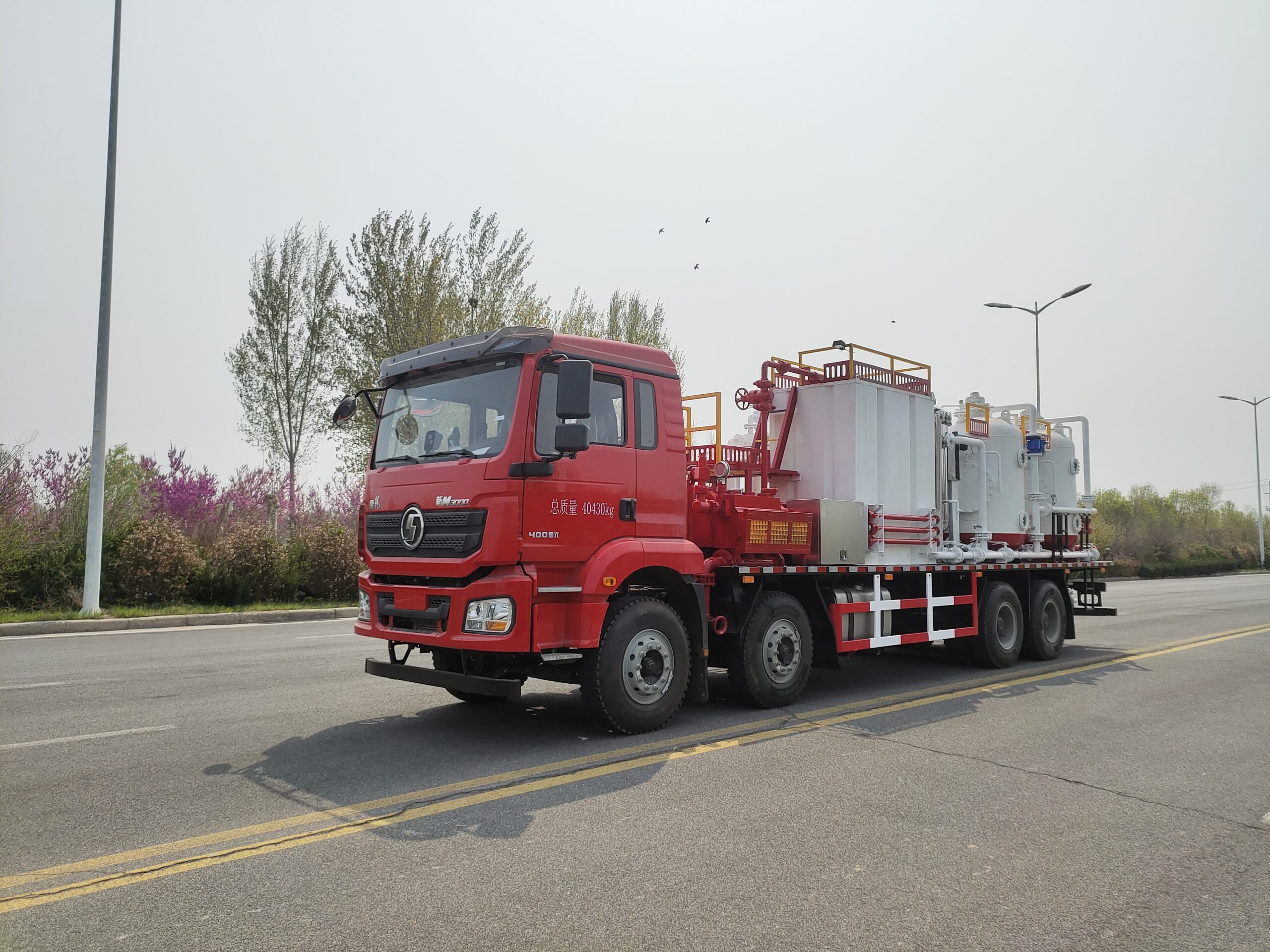
Define the operator’s task and location
Describe the expected observation points, the equipment the operator must monitor and the site restrictions affecting access. Consider both setup and active pumping. A remote panel may improve visibility of one part of the operation while reducing awareness of another. Ask for a layout that shows the proposed local and remote positions relative to the truck and site interfaces. The operating team should review that arrangement against its procedures rather than allowing the availability of a wireless handset to determine the work method.
Specify which commands may move between stations
Prepare a functional list covering the actions intended at each station and the information displayed there. Identify how control authority is selected and communicated to the operator. The supplier should explain how simultaneous or conflicting commands are prevented within the approved control design. Do not treat a duplicated display as equivalent to a fully functional control station. Separate routine commands from protective functions and require the responsible designers to establish the safety architecture for the actual package and operating environment.
Compare communications and power dependencies
For wired equipment, review cable routing, connector protection and handling. For wireless equipment, request the supported operating conditions and the response to loss of communication. Identify battery management or local power requirements and whether the site places restrictions on wireless devices. The quoted range should not be accepted without its conditions, especially around vehicles and metal structures. A remote option also needs a practical storage and replacement plan so damaged accessories or depleted batteries do not create an unexpected interruption to the agreed operating arrangement.
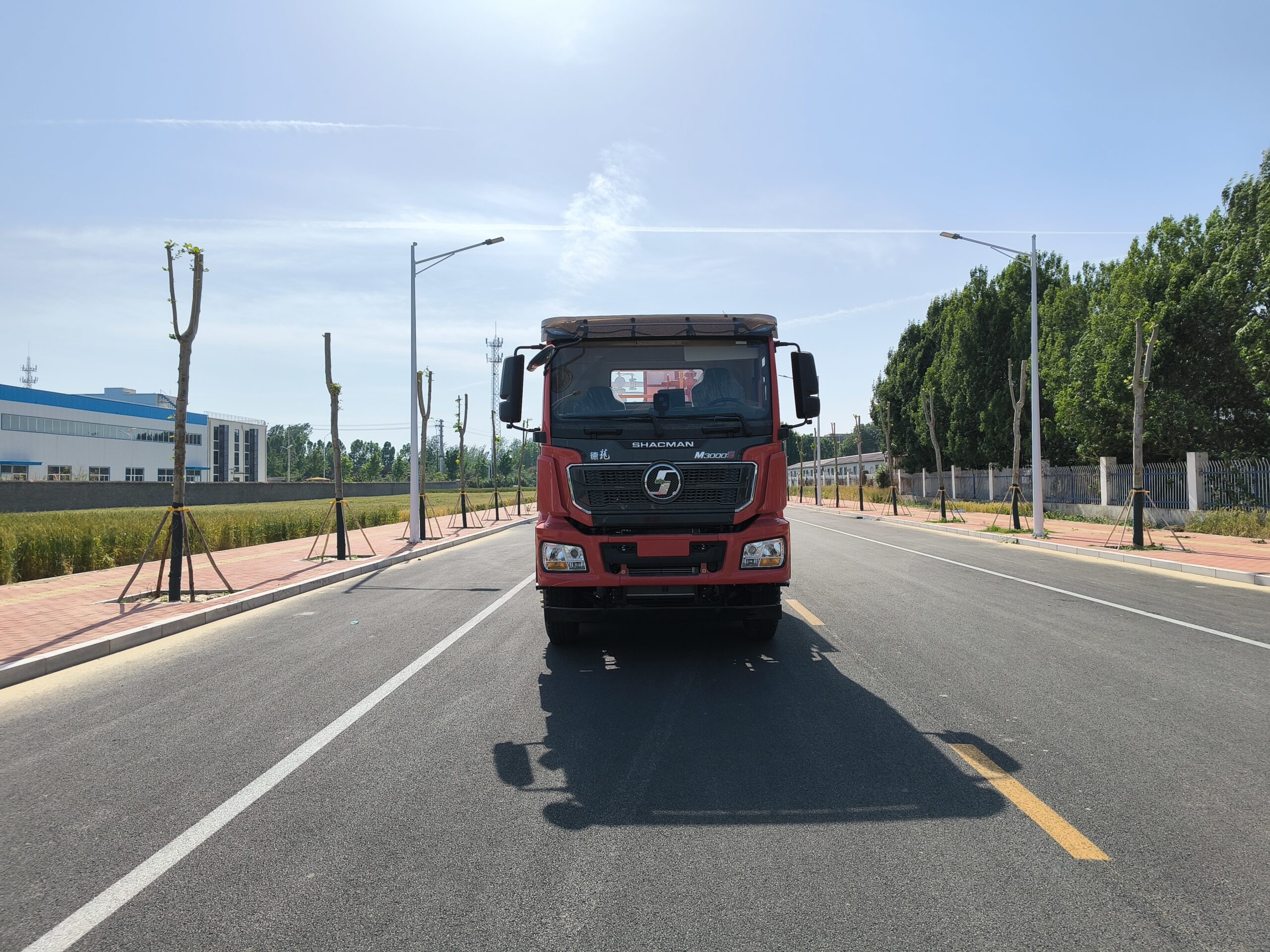
Review loss-of-control and transition behavior
Ask for a written description of the response to station changes, communication loss and restoration of power. The intended behavior should be approved and tested as part of the package, not discovered during the first field job. Specify how operators are informed of the current authority and relevant equipment status. Avoid prescribing a universal shutdown response without a system review; the correct design depends on the equipment and job boundaries. Procurement should require an accountable design and demonstration rather than substitute a sales claim for that engineering work.
Include the remote option in acceptance and training
The installed stations, communications equipment and final software revision should be present during the agreed functional tests. Ask the operating team to review readability, access and the proposed transition procedure using the actual layout. Include replacement references and handover documentation for the remote equipment. A factory video that shows only the local panel does not demonstrate the option purchased. Choose remote control where the required functions and failure responses are documented and supportable, not merely because remote capability appears attractive on the equipment feature list.
Have the operating team review the actual control layout
A controls option should be reviewed by the people who will use it, not selected solely from a sales demonstration. Ask them to identify the information needed at each station and the transition points between setup and pumping. Record any ambiguity about which station has authority and return it to the responsible designer. Acceptance should demonstrate the agreed behavior with the installed equipment. This process can justify a simpler local arrangement or a more capable remote option, but it avoids paying for controls that do not fit the crew’s real operating method.
Put these items side by side in the bid review
| Purchase item | Question to resolve | Evidence to request |
|---|---|---|
| Local station | Observation and physical access | Operator-position layout |
| Remote option | Commands and communications | Authority and interface schedule |
| Failure response | Loss and restoration behavior | Approved functional test record |
Suggested wording for the quotation request
Quote the local control arrangement and a separate remote option against the attached operator tasks. State available commands, displayed measurements, control-authority management and communications limitations. Include the approved failure-response description, functional testing, training and replacement accessories in the option price.
Keep the decision tied to the complete oilfield flushing truck: pump, drive, clean-fluid supply, pressure-control equipment and the defined site interfaces. A component option should not quietly change the agreed cleanout duty or move essential equipment outside the price. Ask the supplier to identify assumptions, exclusions and deviations in the written offer, then resolve them with the responsible engineering and purchasing teams. Use the approved equipment documentation and site procedures for setup, testing and operation.
For the wider equipment scope, consult the Oilfield Flushing Truck: Safety Systems Guide. Use the RFQ checklist to collect the supporting documents before requesting a configuration-specific quotation.
Buyer questions
Does a remote display include remote operating authority?
Not necessarily. Specify displayed information and permitted commands separately, together with how control authority is managed.
Can a quoted wireless range establish suitability for the site?
No. The operating environment, restrictions, power arrangements and demonstrated communication conditions also need review.
Background and supplier contact
OSHA oil and gas extraction guidance offers related background, not certification of the equipment in a quotation. Applicability must be checked for the project and destination.
Explore the oilfield flushing truck, browse all technical resources, or visit Vance Petroleum for company information. Send the relevant job inputs when requesting an equipment proposal.