Start with the report the customer needs
Identify the decisions the data must support: confirming the agreed pumping condition, reviewing an interruption or documenting the work completed. Ask the customer or operating team for its required report fields before specifying additional sensors. More channels do not automatically produce better evidence if timestamps, units and job identification are missing. Define the record boundary so the supplier knows whether the request concerns truck measurements alone or also includes site-provided information. The package should create a usable handover rather than a collection of numbers with unclear origins.
Locate measurements in the process
A pressure value needs an identified sensing location, just as a flow value needs a defined measurement method and range. Ask for an instrumentation schedule showing where each channel is installed and what condition it represents. Distinguish a measured value from one calculated by the control system. The buyer should know whether a displayed flow is based on a flowmeter or inferred from pump operation. Neither description should be hidden behind the same generic label when the records will be used to compare jobs or resolve performance questions.
Specify recording behavior and file access
Agree on the recording interval, event handling, timestamps, storage capacity and the behavior when storage or communications are unavailable. Request a sample export that can be opened with the buyer’s intended tools. Clarify whether files remain accessible without a subscription or connection to a supplier-controlled service. If a network feature is offered, include the site’s access and security requirements in the review. A local logging package can still be useful without remote connectivity, while a cloud feature can be unsuitable if the field cannot reliably support it.
Connect calibration to the delivered instruments
Ask for identification of the actual installed devices and the calibration or verification records required by the purchase specification. Define who maintains those records after handover and how replacements are reflected in the data system. Avoid comparing displayed decimal places as if they establish measurement quality. Sensor range, installation, calibration and the process condition affect the interpretation of the recorded value. The package should make those limits understandable to the report user rather than giving a false impression of precision through a visually detailed screen.
Test the full reporting workflow
During acceptance, create a sample job, record the agreed channels, export the file and verify that the buyer can interpret it. Include an interruption or other approved event to demonstrate the associated record behavior. Confirm units, channel names and timestamps against the instrument schedule. Ask for the final software and configuration references so later changes can be traced. The purchase decision should favor a reliable reporting workflow that answers the customer’s questions, not a more elaborate interface whose records cannot be retrieved or reconciled after the truck leaves the factory.
Open a sample job file before accepting the option
Ask the supplier for a representative export and check whether the buyer can identify the job, units, timestamps and channel meanings without proprietary knowledge. Confirm that the file can be retained with the project records and opened using the agreed software. A polished report image is not a substitute for access to the underlying records when that access is required by the customer. If the reporting need is modest, a clear local export may be more useful than additional connected features whose costs, permissions or support obligations are not yet defined.
Put these items side by side in the bid review
| Purchase item | Question to resolve | Evidence to request |
|---|---|---|
| Measurement | Location and measured versus calculated values | Instrument and channel schedule |
| Recording | Intervals, events and timestamps | Sample job file |
| Handover | Export, ownership and continued access | Demonstrated report workflow |
Suggested wording for the quotation request
Quote a pressure-flow recording package against the attached report requirements. Identify sensor locations, measurement methods, calibration scope, recording behavior and export formats. Supply a sample data file and state ownership, software dependencies and any recurring charges or connectivity requirements.
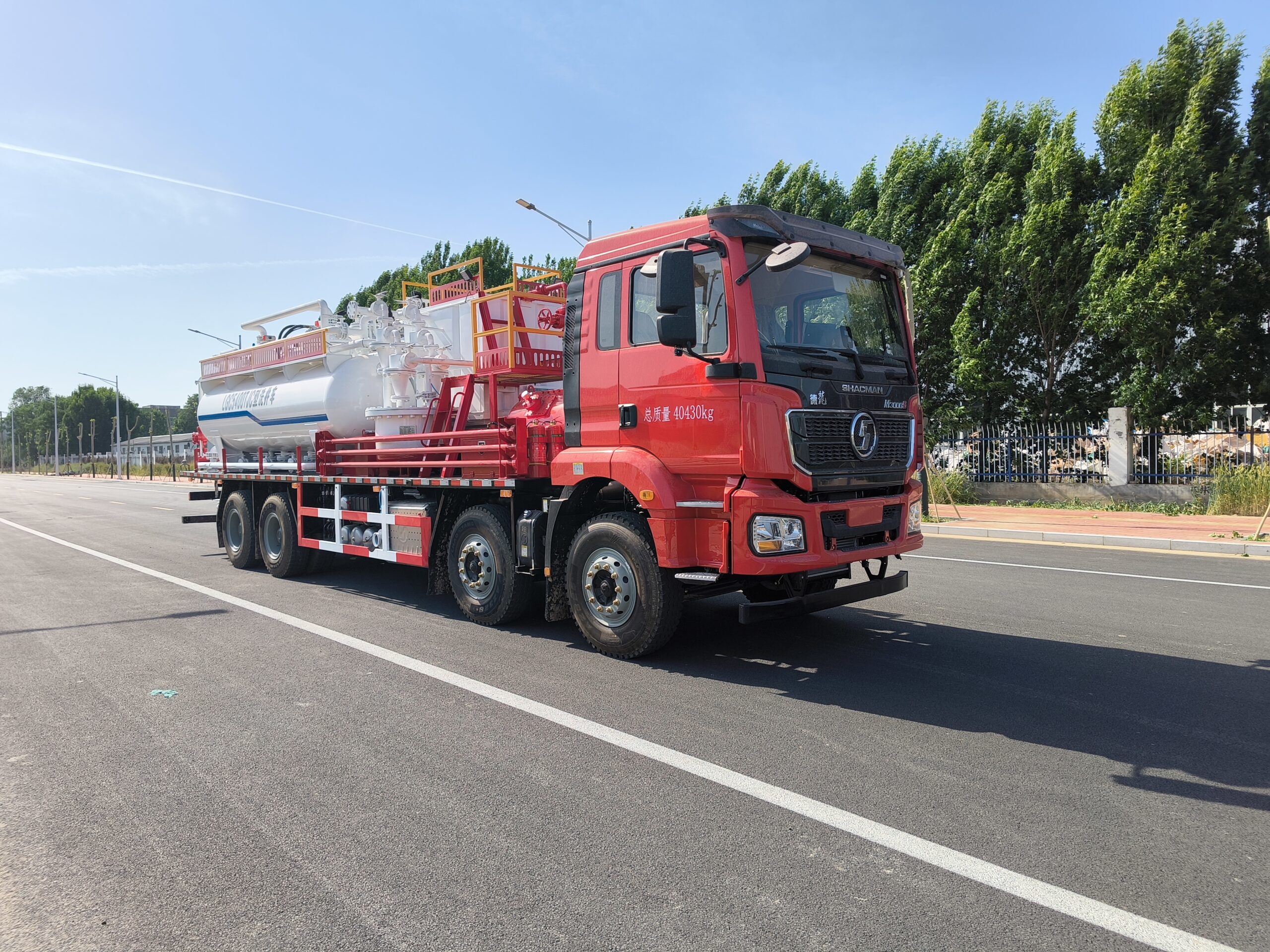
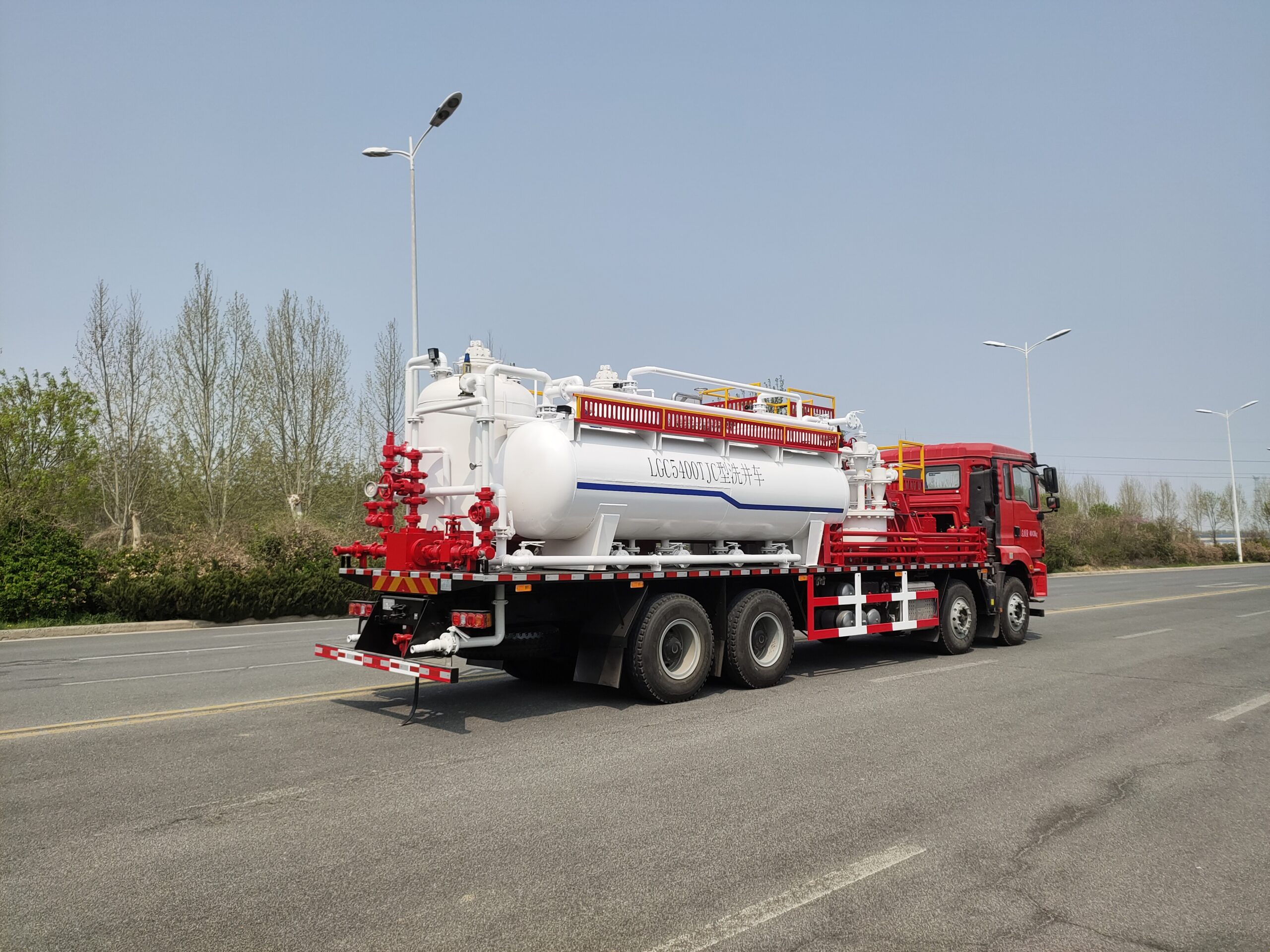
Keep the decision tied to the complete oilfield flushing truck: pump, drive, clean-fluid supply, pressure-control equipment and the defined site interfaces. A component option should not quietly change the agreed cleanout duty or move essential equipment outside the price. Ask the supplier to identify assumptions, exclusions and deviations in the written offer, then resolve them with the responsible engineering and purchasing teams. Use the approved equipment documentation and site procedures for setup, testing and operation.
For the wider equipment scope, consult the Oilfield Flushing Truck: FAT Checklist. Use the RFQ checklist to collect the supporting documents before requesting a configuration-specific quotation.
Buyer questions
Does a digital pressure display prove that records are saved?
No. Logging, storage and export are separate functions and must be included explicitly in the quotation.
Is inferred pump flow equivalent to a direct flow measurement?
They are different methods with different assumptions. The supplier should identify the method so the buyer can judge whether it meets the reporting purpose.
Background and supplier contact
Pump application information offers related background, not certification of the equipment in a quotation. Applicability must be checked for the project and destination.
Explore the oilfield flushing truck, browse all technical resources, or visit Vance Petroleum for company information. Send the relevant job inputs when requesting an equipment proposal.