Separate the purpose of each stock item
Startup consumables, scheduled maintenance items and contingency parts solve different problems. Ask the supplier to classify the proposed stock rather than grouping everything under one spare-parts price. The distinction helps prevent routine filters from consuming the budget intended for a component with a long replacement lead time. Base the review on the actual operating schedule and the installed equipment. A list prepared for another pump model can look plausible while containing parts that cannot be fitted to the truck being purchased.
Require identification at assembly and part level
Each item should have an unambiguous reference tied to the delivered pump, engine, controls or auxiliary system. Where parts vary with material or seal selection, make that variation explicit. Request the relevant drawings or illustrated parts references and identify any proprietary assemblies. A commercial description such as seal kit may conceal several incompatible variants. The receiving team needs enough information to verify the stock on arrival and reorder the correct item later without relying on photographs of an unmarked component or a recollection of the original sales discussion.
Match stock to the repair capability available
A major assembly can be useful where workshop capability is limited, while loose internal parts may require tools and skills that the site does not possess. Ask what work can be performed under the approved field-maintenance scope and what requires a qualified service facility. Include any special tooling and handling requirements in the decision. Do not buy an expensive replacement solely because it is labelled critical; confirm that the team can identify, store and install it correctly, or that a suitable support route is available when needed.
Evaluate lead time and preservation together
Request indicative supply lead times with their assumptions and confirm which parts are stocked versus manufactured to order. Compare those times with the campaign location and the practical shipping route. Some items require controlled storage, periodic inspection or a stated shelf-life policy. Overbuying parts that deteriorate before use can be as wasteful as omitting an essential item. Ask for storage and preservation instructions and an inventory review process that fits the actual destination conditions, particularly where heat, humidity or extended outdoor storage may affect the stock.
Close the list against the final configuration
Review the spare-parts schedule again after any pump, drive or control substitution. The final packing list should identify quantities, references and the assemblies they support. Agree how missing or incorrect items will be resolved and which documents accompany the shipment. Keep the first operating period under review so consumption experience can improve later replenishment. The initial purchase should create a traceable starting inventory, not imply that one standard package guarantees a fixed number of trouble-free operating hours under every fluid and field condition.
Ask for the replenishment route, not just the first box
Take one frequently serviced item and one campaign-critical assembly and follow the proposed reorder process. Check the reference required, the supplier contact and the information needed to confirm fit. Ask how a component revision is communicated to the buyer and whether the replacement remains compatible with the installed configuration. This practical review can expose weaknesses that a long initial spare list does not show. It also helps the buyer avoid accumulating duplicate or obsolete stock while still protecting the operating schedule against the lead times that matter most.
Put these items side by side in the bid review
| Purchase item | Question to resolve | Evidence to request |
|---|---|---|
| Startup | Commissioning and initial service needs | Itemized consumable schedule |
| Campaign stock | Lead time and consequence of failure | Criticality and replenishment review |
| Repair scope | Available skills and tools | Assembly references and service instructions |
Suggested wording for the quotation request
Submit separate startup, routine-service and campaign-contingency spare lists for the final flushing truck configuration. Include quantities, part numbers, supported assemblies, storage requirements, indicative lead times and necessary tools. Explain the operating assumptions behind each recommendation and identify items excluded from the delivery.
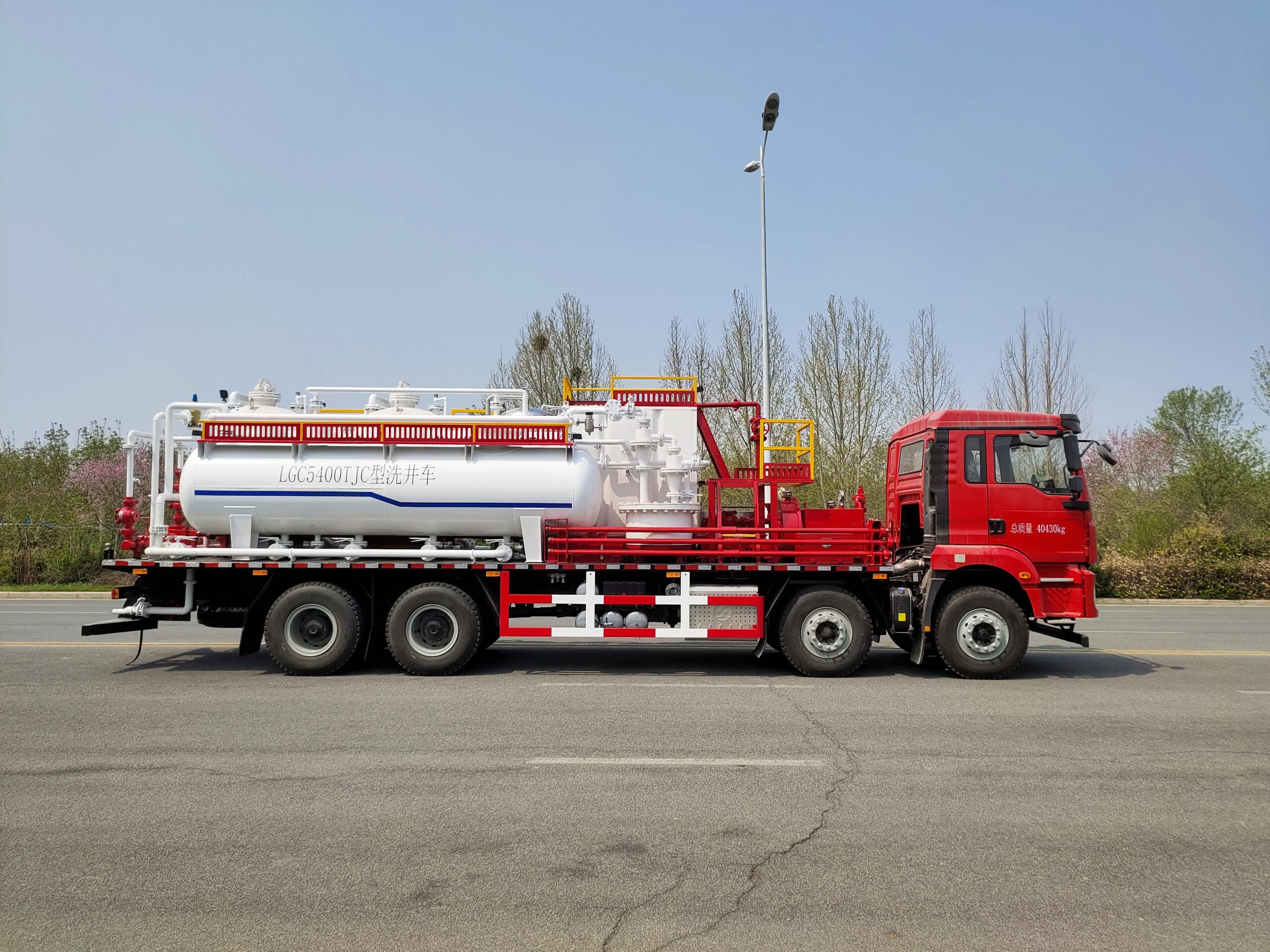
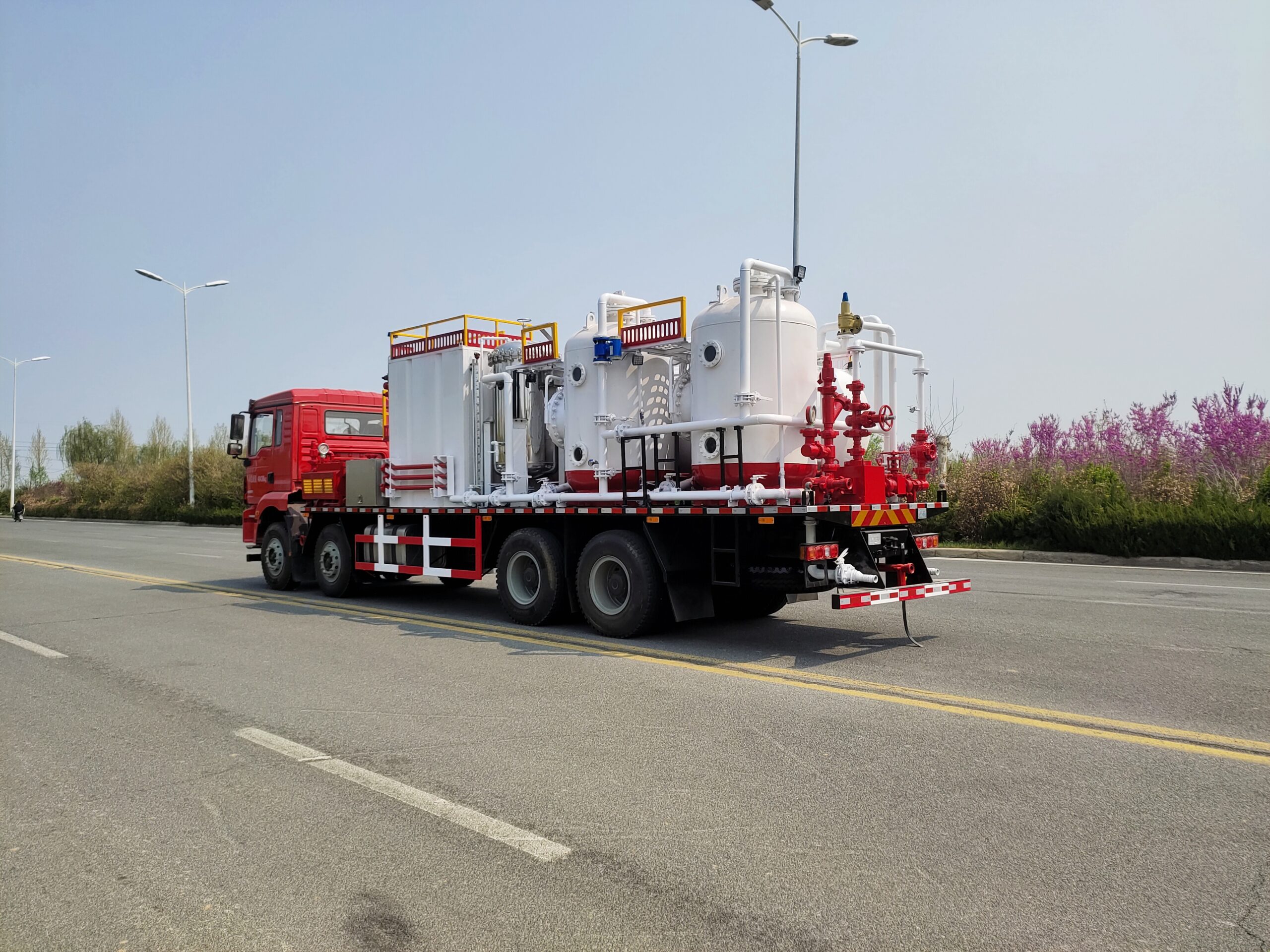
Keep the decision tied to the complete oilfield flushing truck: pump, drive, clean-fluid supply, pressure-control equipment and the defined site interfaces. A component option should not quietly change the agreed cleanout duty or move essential equipment outside the price. Ask the supplier to identify assumptions, exclusions and deviations in the written offer, then resolve them with the responsible engineering and purchasing teams. Use the approved equipment documentation and site procedures for setup, testing and operation.
For the wider equipment scope, consult the Oilfield Flushing Truck: Maintenance Guide. Use the RFQ checklist to collect the supporting documents before requesting a configuration-specific quotation.
Buyer questions
Is a fixed percentage of equipment price a useful spare-parts specification?
It is a budgeting placeholder, not a technical list. The purchased items should be justified by the configuration, campaign and support conditions.
Should every critical component be stocked as individual parts?
Not necessarily. The decision depends on local repair capability, tools, replacement time and whether an assembly exchange is more practical.
Background and supplier contact
Pump application information offers related background, not certification of the equipment in a quotation. Applicability must be checked for the project and destination.
Explore the oilfield flushing truck, browse all technical resources, or visit Vance Petroleum for company information. Send the relevant job inputs when requesting an equipment proposal.