Identify the systems and parties covered
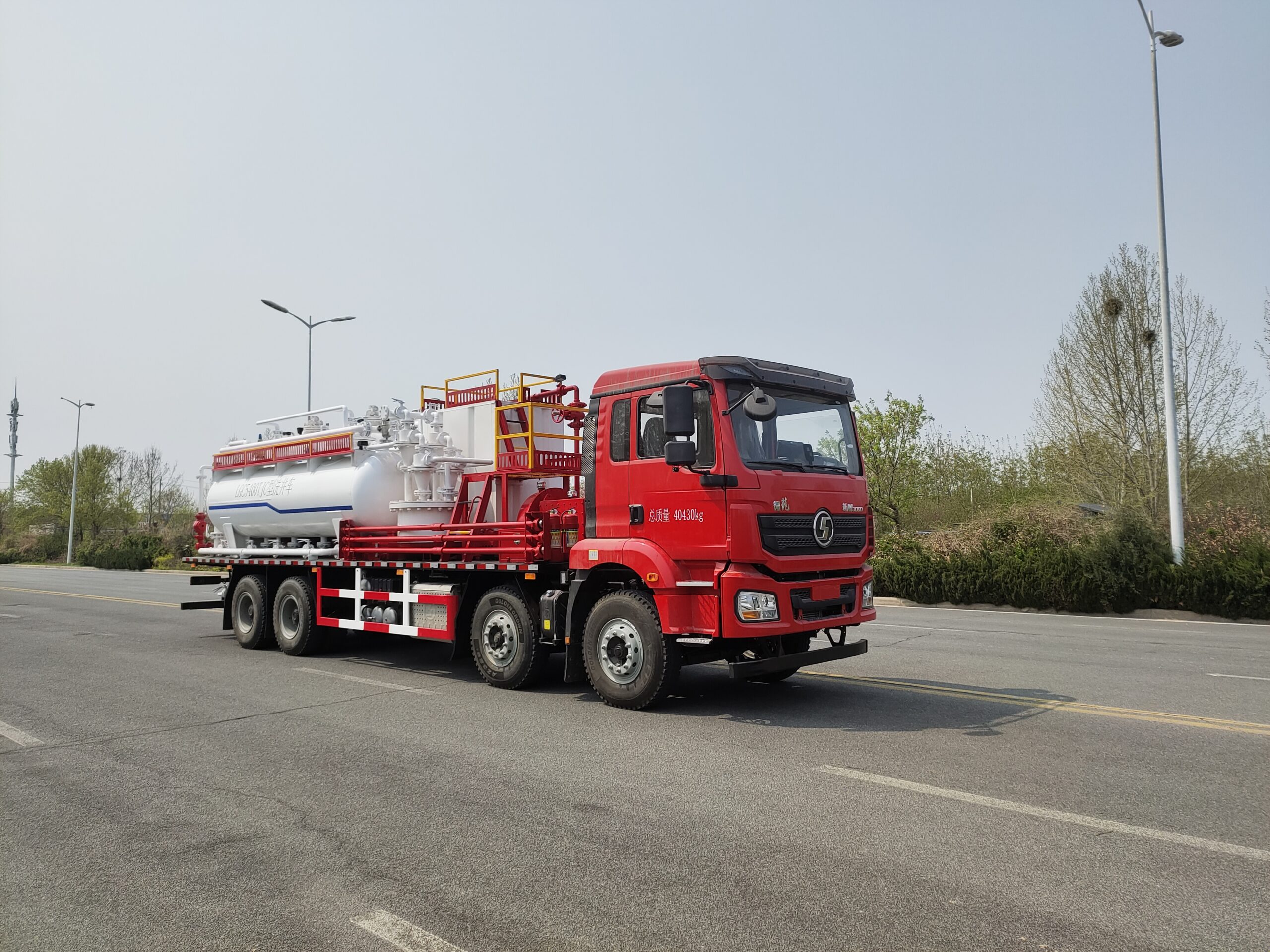
Separate the chassis, engine or PTO, pump, heater if fitted, controls and supplied accessories. Ask which party provides support for each system and who coordinates an issue involving an interface between them. A single sales contact can be helpful, but it does not establish a common warranty scope across all components. Request the actual proposed terms rather than relying on a brochure summary. Compare the start event and any operating-hour condition as well as the calendar period so different offers are evaluated on equivalent boundaries.
Read exclusions in the context of the intended duty
Check how the proposed terms address wear items, consumables, operating fluids, maintenance requirements, unauthorized changes and storage conditions. The relevant question is whether those conditions fit the service the buyer actually plans. If the quotation assumes a cleaner fluid or a different duty from the enquiry, resolve the discrepancy before purchase. Do not treat a longer duration as better protection when its exclusions remove the main exposures of the intended application. Any interpretation of contractual rights should be reviewed with the appropriate adviser.
Describe the support process before it is needed
Ask what information the supplier requires to open a case and how technical communication is handled across time zones. Identify the records the operating team should retain, such as equipment identification, fault descriptions and relevant operating data. Establish who can authorize corrective action and how replacement parts are arranged. A promise of support is more useful when the process is understandable to the crew and purchasing team. Avoid assuming that a general availability statement establishes a guaranteed response or resolution time for every remote location.
Separate parts, labor and travel costs
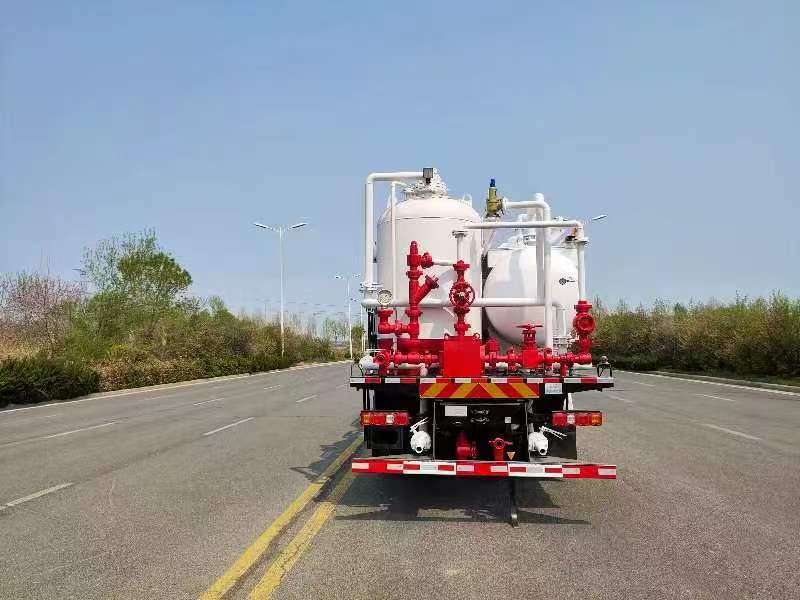
A replacement component, the labor to install it and the travel needed to reach the site may fall under different arrangements. Ask which costs are included and which require a separate service order. Clarify the availability of local support, remote assistance and return-to-factory repair where relevant. Include customs, shipping and temporary operating disruption in the practical review without inventing a fixed downtime allowance. Compare the support model against the campaign location and the skills available onsite, not only against a headline warranty term.
Coordinate the service plan with the initial purchase
Link the support offer to the ordered spare-parts package, operator handover and required maintenance records. Confirm that any substituted component remains covered by the final terms and that its service route is still workable at the destination. Retain the accepted support scope with the purchase documentation. Confirm the applicable warranty coverage and response arrangements in the specific written offer. A clear agreement lets the buyer evaluate ownership responsibilities before committing to the equipment.
Walk through one realistic support case
Choose a plausible equipment fault and ask how the buyer would identify the affected system, submit records, obtain technical direction and arrange the agreed remedy. Keep the exercise within the proposed written terms rather than requesting an informal promise that overrides them. Check which expenses need separate approval and who coordinates an interface issue involving more than one supplier. This review can make a shorter but clearly supported offer easier to evaluate than a broad warranty statement with an unclear process. Record the accepted support path with the final equipment and spare-parts documents.
Put these items side by side in the bid review
| Purchase item | Question to resolve | Evidence to request |
|---|---|---|
| Coverage | Systems, start event and conditions | Actual proposed warranty terms |
| Service process | Case handling and authority | Named contacts and required records |
| Cost boundary | Parts, labor, freight and travel | Included and separately priced support |
Suggested wording for the quotation request
Provide the proposed warranty and support terms for every supplied system. State the start event, exclusions, maintenance obligations and claim process. Separate parts, labor, travel and freight responsibilities, identify destination support arrangements, and quote any optional service coverage without assuming a universal response-time commitment.
Keep the decision tied to the complete oilfield flushing truck: pump, drive, clean-fluid supply, pressure-control equipment and the defined site interfaces. A component option should not quietly change the agreed cleanout duty or move essential equipment outside the price. Ask the supplier to identify assumptions, exclusions and deviations in the written offer, then resolve them with the responsible engineering and purchasing teams. Use the approved equipment documentation and site procedures for setup, testing and operation.
For the wider equipment scope, consult the Oilfield Flushing Truck Manufacturer Guide. Use the RFQ checklist to collect the supporting documents before requesting a configuration-specific quotation.
Buyer questions
Is the longest warranty automatically the strongest offer?
No. Coverage, exclusions, start conditions and the practical support process can be more important than duration alone.
Where are the applicable warranty terms confirmed?
Confirm the covered systems, exclusions, start date and service responsibilities in the specific written quotation and agreement.
Background and supplier contact
ICC Incoterms® resources offers related background, not certification of the equipment in a quotation. Applicability must be checked for the project and destination.
Explore the oilfield flushing truck, browse all technical resources, or visit Vance Petroleum for company information. Send the relevant job inputs when requesting an equipment proposal.