Build a route description the chassis supplier can use
Document paved-road travel, unsealed sections, gradients, turning areas, ground clearance constraints and seasonal access changes. Include photographs or route surveys where available. Describe the truck loading condition on the difficult portions: an empty vehicle demonstration does not establish capability when carrying the agreed fluid and equipment. The operator should distinguish an occasional difficult access point from a recurring daily route. Where access is uncertain, ask for a qualified mobility review instead of assuming that an all-wheel-drive label resolves every terrain limitation.
Compare traction with the installation consequences
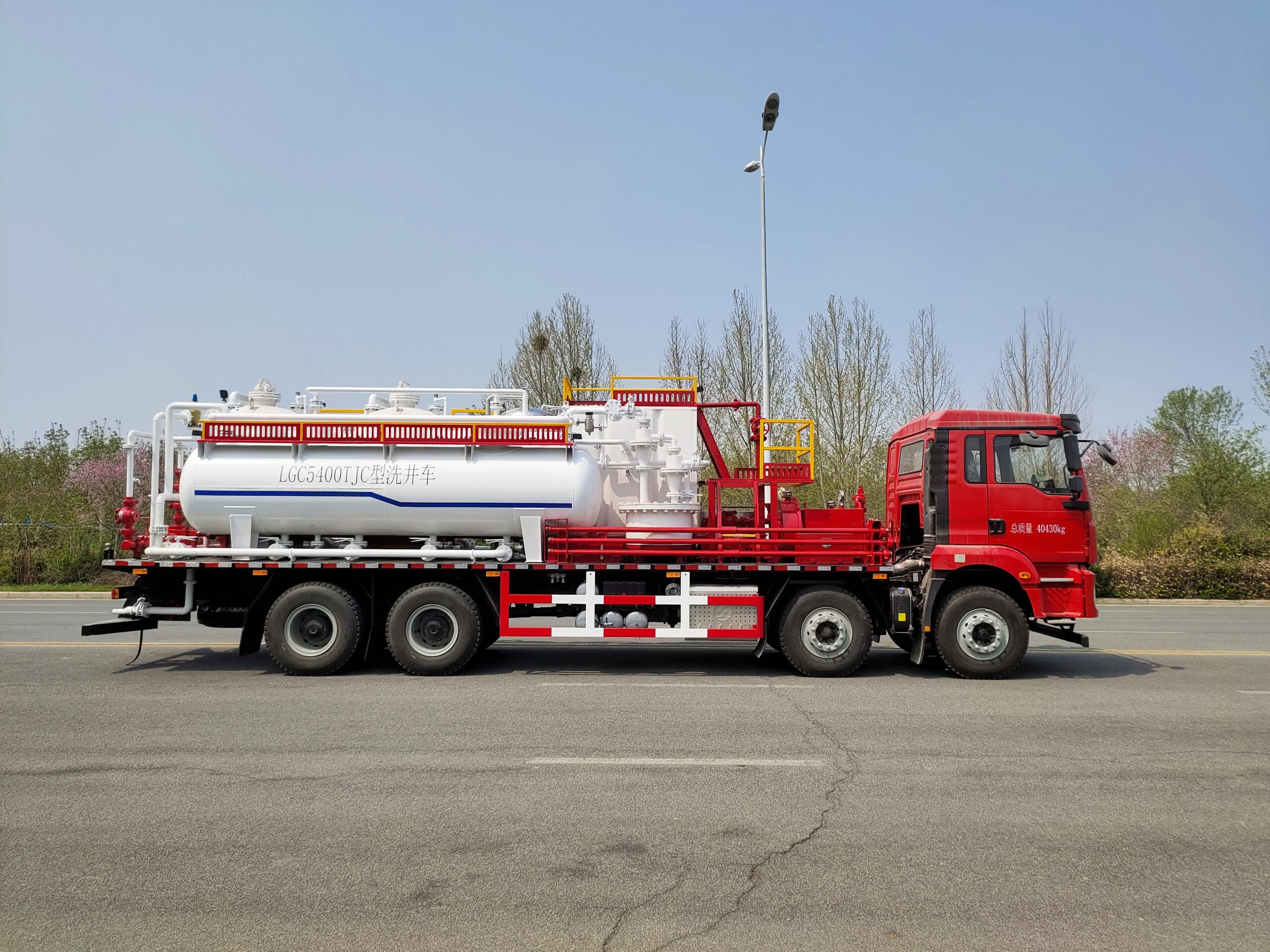
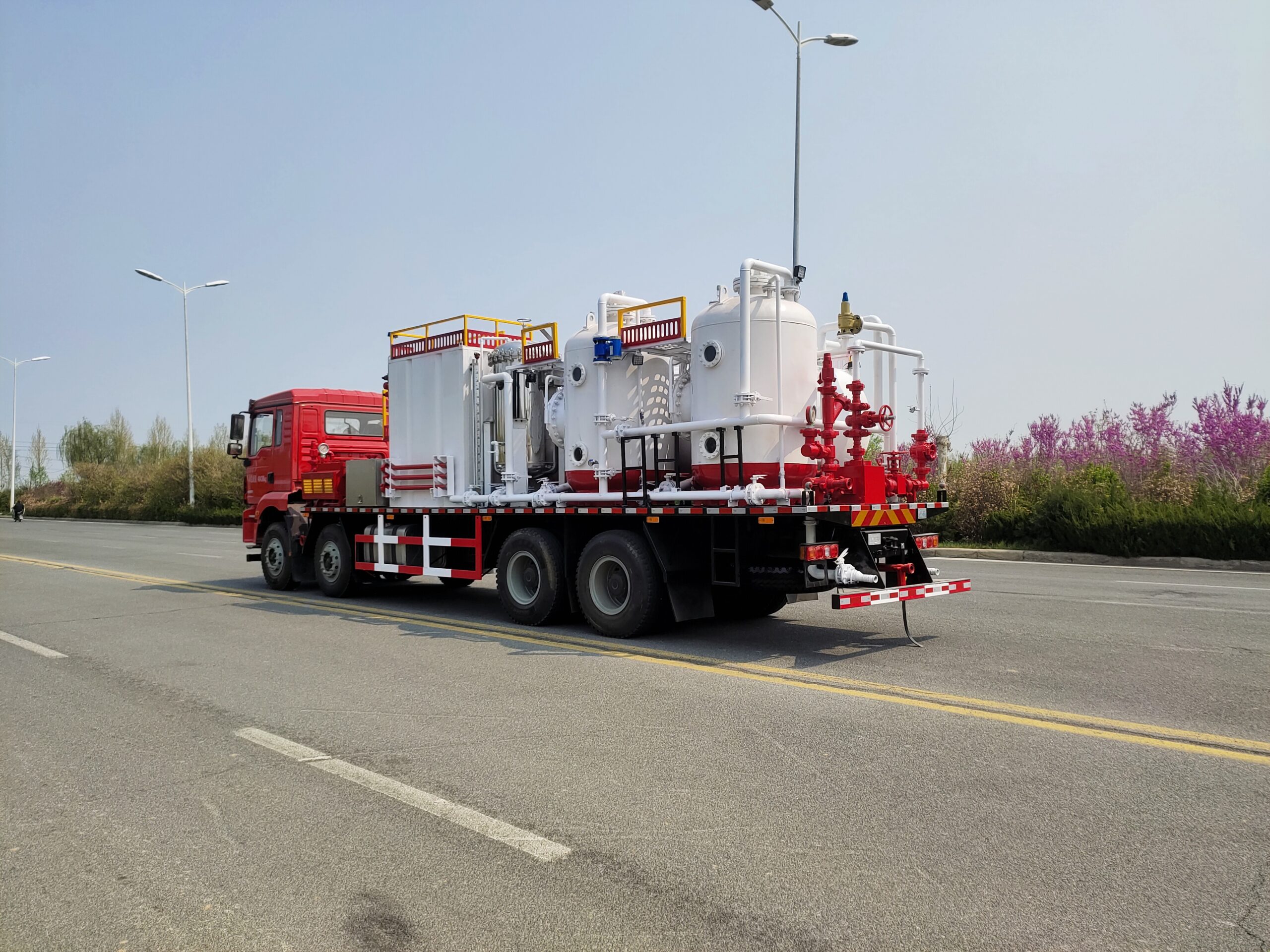
A driven front axle may be useful for certain routes, but the chassis layout, transfer components and steering geometry also affect package installation and service. Ask how each chassis supports the pump drive, fuel tanks, exhaust routing and equipment mounting. Identify any changes to the working platform or tank position required by the alternative chassis. The correct comparison is two fully integrated trucks that meet the same pumping duty, not two bare chassis prices with a common superstructure assumed to fit both without revision.
Check payload and road operation together
Ask for the complete mass and axle-load review for each proposal. Do not treat similar advertised gross ratings as proof of identical available payload or mounting space. Include transport dimensions and any route or registration restrictions identified by the destination specialist. A package that is attractive on a remote track may still spend most of its life on public roads, where service support, tyre supply and operating practices matter. Conversely, optimizing only for road travel can create expensive access limitations during the seasonal field campaign.
Investigate local support before choosing a brand
Request the proposed chassis model and destination service arrangements, not just a list of brands the factory can use. Check availability of drivetrain, brake and steering parts that are specific to the chosen configuration. Ask which diagnostic tools and maintenance documents accompany the truck and whether local technicians can support the installed engine and transmission. A chassis that is familiar to the buyer can simplify fleet support, but customer familiarity does not replace the body-builder approval and integration work needed for the pumping package.
Ask for alternatives with explicit limitations
Invite the supplier to explain when each chassis would be unsuitable, including the conditions under which recovery support or route improvements would be necessary. Compare the acquisition difference with maintenance, transport and expected utilization rather than assigning an arbitrary productivity gain to additional driven axles. Record the chosen route assumptions in the order. If the planned operating area changes before delivery, repeat the chassis review while changes are still possible instead of treating the initial selection as universally suitable.
Compare the seasonal access case explicitly
Take the most difficult recurring route condition in the operating plan and ask both chassis suppliers to address it using the same loaded configuration. Do not substitute a demonstration on a dry open yard for a review of the seasonal access problem. Include the consequences of waiting for improved access or arranging recovery support in the fleet discussion. The result may favor either drivetrain, or may show that the route needs its own changes. The useful deliverable is a documented limit and support plan, not an unrestricted claim of off-road capability.
Put these items side by side in the bid review
| Purchase item | Question to resolve | Evidence to request |
|---|---|---|
| Field route | Loaded access and seasonal conditions | Route survey and mobility review |
| Integration | Mounting and drive differences | Two configuration-specific layouts |
| Destination support | Parts and diagnostic availability | Named chassis support arrangement |
Suggested wording for the quotation request
Offer suitable 6×4 and 6×6 alternatives where available for the attached route and loading description. Identify installation differences, axle loads, operating limitations and destination support. Do not substitute a chassis without approval of the revised pumping-package layout and the associated delivery and service implications.
Keep the decision tied to the complete oilfield flushing truck: pump, drive, clean-fluid supply, pressure-control equipment and the defined site interfaces. A component option should not quietly change the agreed cleanout duty or move essential equipment outside the price. Ask the supplier to identify assumptions, exclusions and deviations in the written offer, then resolve them with the responsible engineering and purchasing teams. Use the approved equipment documentation and site procedures for setup, testing and operation.
For the wider equipment scope, consult the Oilfield Flushing Truck: Configuration Guide. Use the RFQ checklist to collect the supporting documents before requesting a configuration-specific quotation.
Buyer questions
Does 6×6 automatically mean a higher payload?
No. Payload depends on the specific chassis, installation mass and applicable loading limits. Compare the complete vehicle configurations.
Should the lowest chassis price decide the purchase?
Not by itself. Route suitability, integration work, local maintenance capability and the supported operating duty can outweigh the initial difference.
Background and supplier contact
OSHA oil and gas extraction guidance offers related background, not certification of the equipment in a quotation. Applicability must be checked for the project and destination.
Explore the oilfield flushing truck, browse all technical resources, or visit Vance Petroleum for company information. Send the relevant job inputs when requesting an equipment proposal.