Define the pumping and road-use schedule
Describe how much of the working day involves driving, stationary pumping, waiting and moving between wells. Include the expected continuous pumping periods and whether pumping is required during any vehicle movement; do not assume a stationary-drive configuration supports that operation. A contractor making frequent short visits faces a different maintenance and utilization pattern from a unit stationed at one location for several shifts. Give both suppliers the same schedule so fuel use, service intervals and availability can be compared on a consistent basis.
Verify the complete PTO approval chain
Ask which chassis transmission and PTO model form the offered combination. The proposal should identify rated torque, permissible speed range, engagement conditions and the transmission or chassis restrictions that apply to stationary operation. Request confirmation of the mounting and control arrangement, rather than treating a generic PTO description as approval. A pump that fits mechanically can still exceed the permissible drivetrain duty. Resolve responsibility for chassis warranty, interlocks and supplier support before committing to a chassis that cannot be returned or easily modified.
Assess what an auxiliary engine adds
An independent power pack needs its own mounting, cooling, exhaust, controls and service clearances. Account for its mass and the access needed to replace filters, inspect belts or remove major components. Ask whether engine starting power and fuel supply are shared with the chassis and what happens if either system is unavailable. The additional engine can simplify separation of duties, but it also introduces another set of service parts and maintenance records. Evaluate the delivered arrangement, not an assumption that a separate engine always provides redundancy.
Compare operation at the required duty point
Request the pump speed range and power available from each arrangement at the intended pressure-flow cases. Include auxiliaries and the cooling conditions at the chosen site. The road engine may operate differently while stationary than on a highway, and a smaller auxiliary engine may still be unsuitable if it must remain near its limit. Ask for a representative operating demonstration and review noise, control response and shutdown behavior. Fuel comparisons should use the same pumping work, not engine displacement or catalogue peak efficiency alone.
Put service responsibility in the purchase scope
For PTO drive, identify who supports the road engine, transmission, PTO and pump coupling. For an independent engine, identify the local service channel and the parts that must accompany the truck. Ask which faults prevent road travel and which only prevent pumping. A clear responsibility matrix matters when two suppliers could otherwise attribute a problem to each other. Select the arrangement whose duty approval, service access and support path are documented for the destination, even if another package appears simpler in the sales drawing.
Compare the consequences of a stopped chassis
Discuss a situation in which the vehicle can no longer travel but the pumping package is mechanically intact. Ask which dependencies would still prevent pumping and what the approved recovery arrangements would be. Then consider the reverse case, with the pumping drive unavailable but the truck able to move. These questions reveal practical differences between the two power arrangements without assuming either one provides emergency capability. Record the support route and any equipment needed for recovery; do not turn the comparison into an instruction to operate a damaged vehicle or bypass an interlock.
Put these items side by side in the bid review
| Purchase item | Question to resolve | Evidence to request |
|---|---|---|
| PTO arrangement | Approved chassis and transmission combination | PTO duty and interface documentation |
| Independent engine | Space, weight and service route | Installed layout and engine data |
| Either option | Same pumping schedule | Duty-based operating comparison |
Suggested wording for the quotation request
Provide separate PTO-driven and independent-engine offers for the stated pumping schedule. Identify the complete power chain, installation mass, cooling basis, service access and warranty responsibilities. Quote any chassis changes, interlocks and initial service parts separately so the two alternatives can be compared without hidden exclusions.
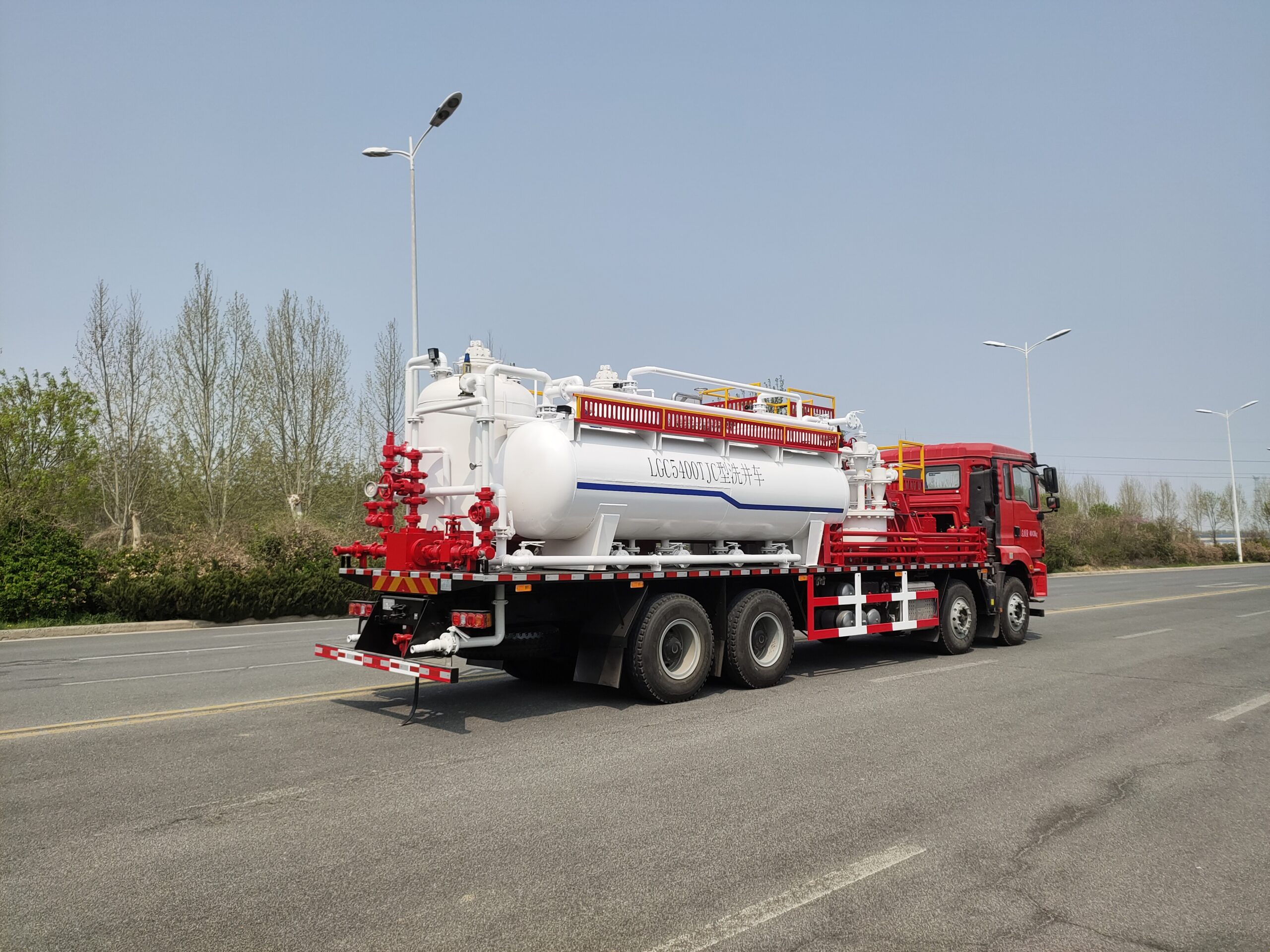
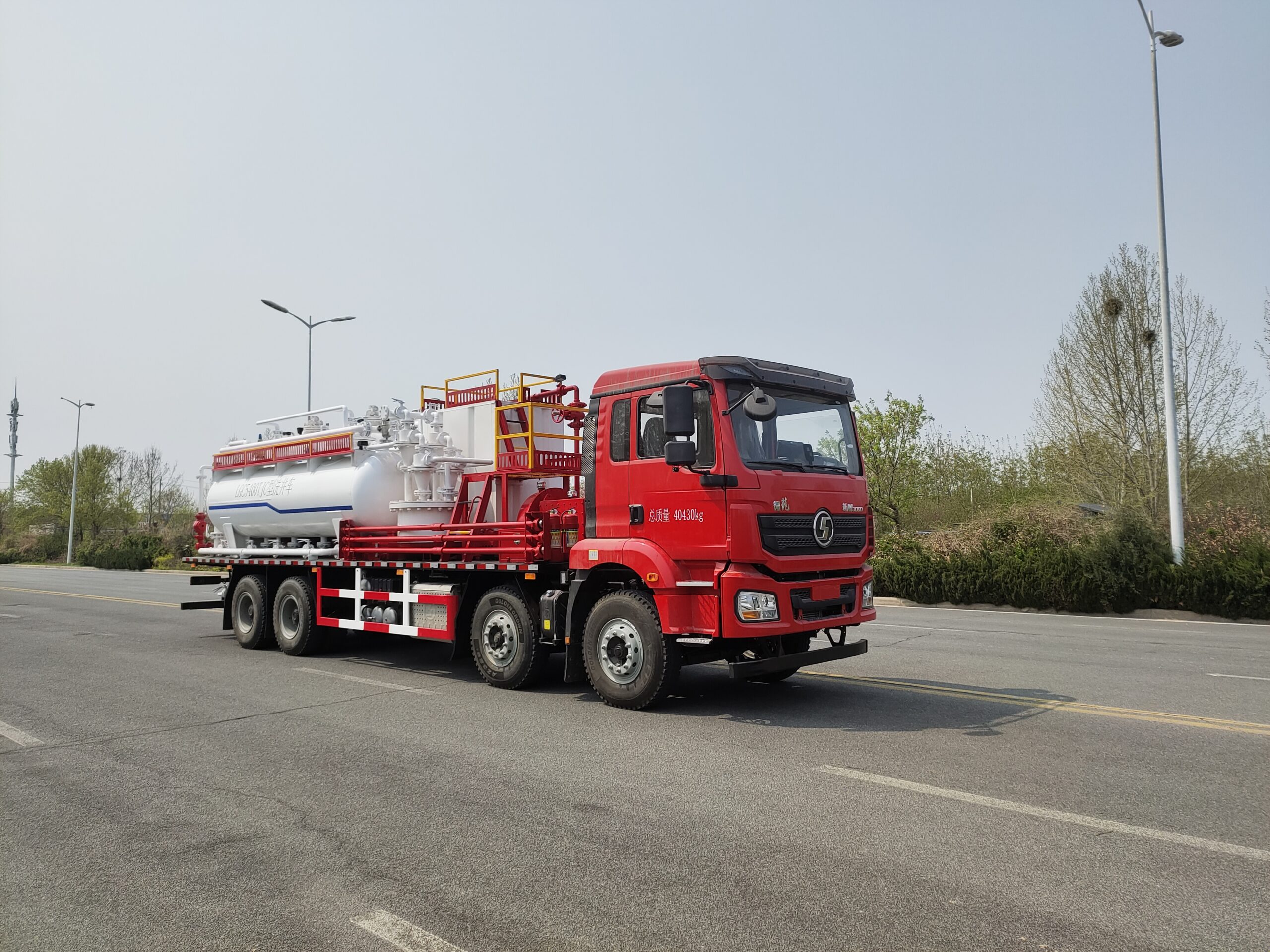
Keep the decision tied to the complete oilfield flushing truck: pump, drive, clean-fluid supply, pressure-control equipment and the defined site interfaces. A component option should not quietly change the agreed cleanout duty or move essential equipment outside the price. Ask the supplier to identify assumptions, exclusions and deviations in the written offer, then resolve them with the responsible engineering and purchasing teams. Use the approved equipment documentation and site procedures for setup, testing and operation.
For the wider equipment scope, consult the Oilfield Flushing Truck: Configuration Guide. Use the RFQ checklist to collect the supporting documents before requesting a configuration-specific quotation.
Buyer questions
Is a PTO-driven flushing truck always lighter?
It may avoid a separate engine, but the complete comparison must include the PTO, transmission requirements, cooling changes and installed auxiliaries. Request a mass breakdown.
Does an independent engine provide full backup capability?
Not necessarily. Shared fuel, batteries, controls or pump components can remain common failure points. Redundancy must be defined and demonstrated, not inferred from engine count.
Background and supplier contact
Pump application information offers related background, not certification of the equipment in a quotation. Applicability must be checked for the project and destination.
Explore the oilfield flushing truck, browse all technical resources, or visit Vance Petroleum for company information. Send the relevant job inputs when requesting an equipment proposal.