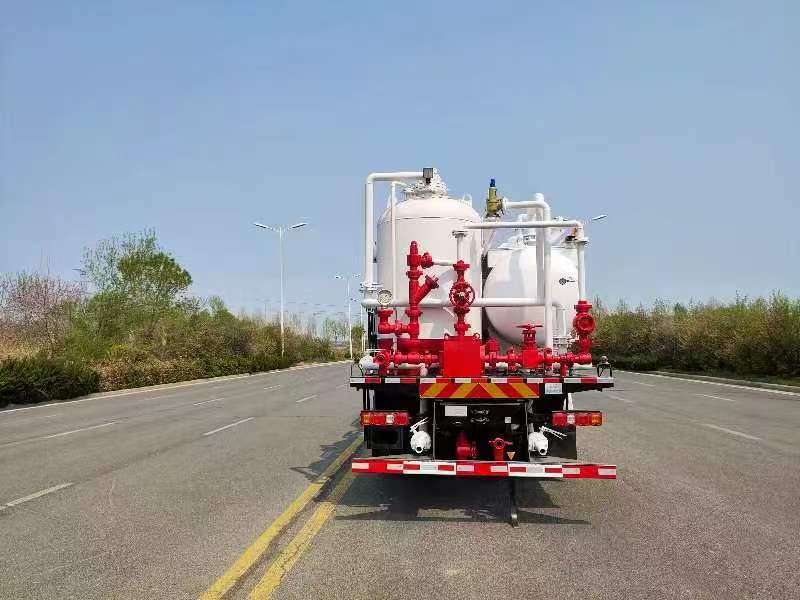
Calculate usable volume rather than shell capacity
Ask the supplier to distinguish nominal tank capacity from the volume available to the pumping system. Unusable low-level volume, internal arrangements and the approved filling limit can affect the usable amount. Relate that amount to the expected fluid consumption and the refill plan. A circulation job returning fluid through a separate handling package has a different inventory requirement from a single-pass operation. Keep reserve volume explicit rather than adding an unexplained percentage that suppliers interpret differently when they prepare their tank and weight calculations.
Describe the fluid carried during travel
Water capacity is not a sufficient basis when the truck may transport a denser brine or another approved liquid. State the proposed fluid density range and identify the maximum permitted travel fill condition. Include fuel, operators, tools, hoses, spare parts and any optional heater in the loading case. Ask for the configuration at which the quoted empty mass was established. A truck weighed without its hose pack or service equipment should not be treated as ready for a fully equipped field journey.
Review individual axle loads
Total vehicle mass alone does not show whether the front or rear axle group is overloaded. Request a layout and axle-load calculation for the agreed travel cases, including partially filled conditions where relevant to the design review. The location of the tank, pump and auxiliary engine can matter as much as their total weight. Confirm destination registration and route requirements with the qualified local parties. Do not assume that a chassis rating used in one market establishes permission to operate on every road serving the project.
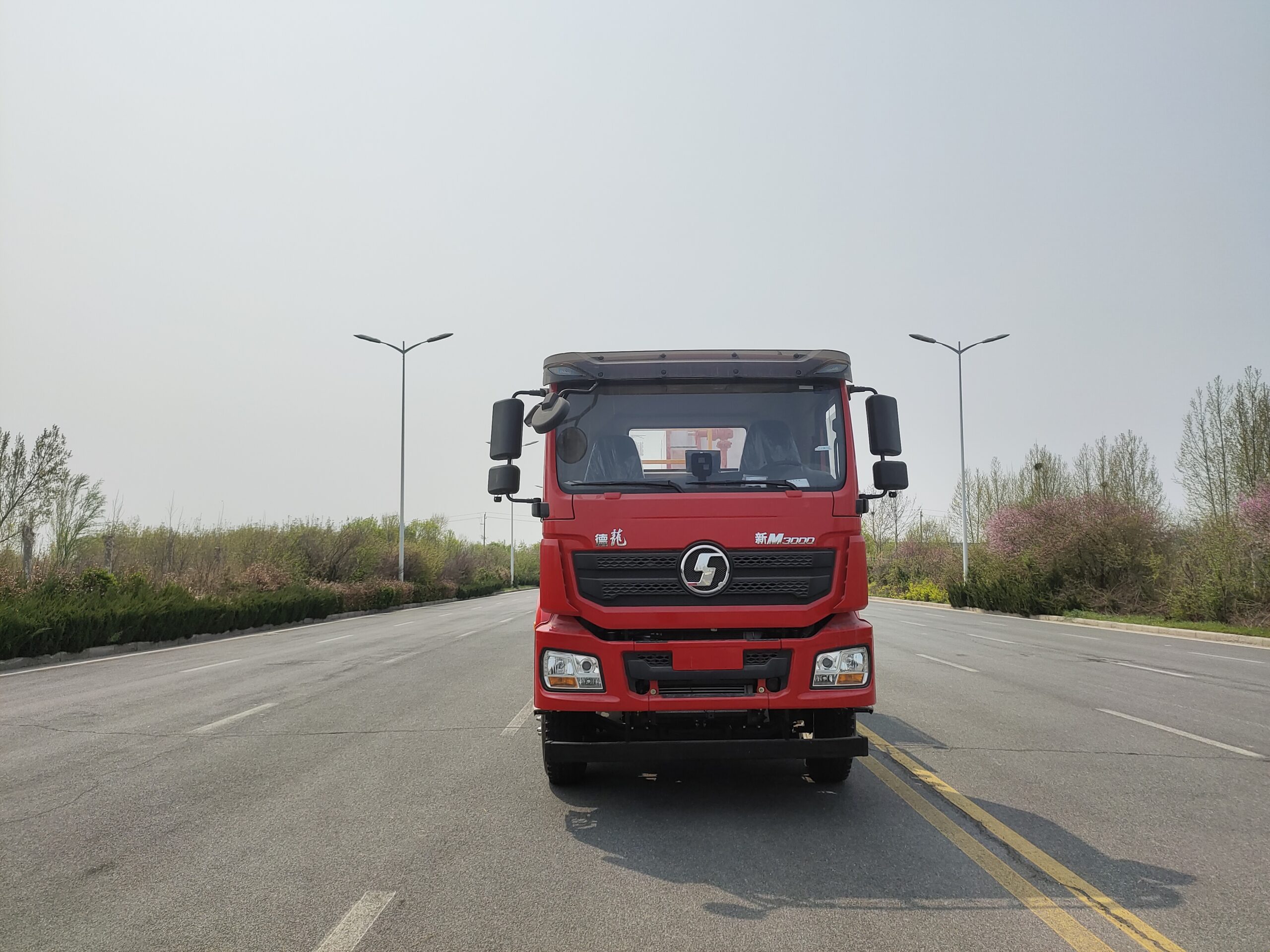
Compare a larger tank with external supply
A smaller onboard tank supported by a reliable supply vehicle may improve access and reduce transport mass, but it adds another operational dependency. Compare refill turnaround, access to clean fluid, transfer equipment and the number of wells visited per shift. A larger tank may be attractive where supply is unreliable, yet it can reduce available room for equipment or spares. Price the complete working arrangement so the apparent saving on the flushing truck is not offset by an unplanned support vehicle and additional crew time.
Make weight evidence part of delivery
Require the supplier to identify the final fitted equipment in the weight report and list changes made after the original calculation. Specify whether the quoted mass is calculated or measured, and agree on the conditions for any final weighing. Confirm the tank identification, filling instructions and the vehicle loading schedule supplied to operators. If optional equipment is added late, request a revised load review before shipment. The procurement decision should connect tank capacity with a documented transport configuration, not leave the crew to resolve loading limits after arrival.
Challenge a late increase in nominal tank size
If a larger tank is proposed after the pump and chassis are selected, request a revised complete layout and loading review before accepting the change. Check whether the extra volume reduces space for the hose pack, alters the service access or changes the permitted travel fill condition. Ask whether the original quotation included the same fluid density and accessory list. A bigger nominal number can represent less useful operational flexibility when the additional inventory cannot be carried on the actual route with the rest of the ordered equipment.
Put these items side by side in the bid review
| Purchase item | Question to resolve | Evidence to request |
|---|---|---|
| Fluid autonomy | Usable volume and refill interval | Job consumption and supply schedule |
| Road loading | Complete travel condition | Mass and axle-load calculation |
| Late options | Remaining payload margin | Revised equipment and loading list |
Suggested wording for the quotation request
Quote the tank as nominal and usable volumes, identify the agreed liquid density and travel filling conditions, and provide an axle-load calculation for the complete truck. Include the hose pack, tools, fuel and selected options. Offer an external-supply alternative where onboard volume would restrict the required equipment or route access.
Keep the decision tied to the complete oilfield flushing truck: pump, drive, clean-fluid supply, pressure-control equipment and the defined site interfaces. A component option should not quietly change the agreed cleanout duty or move essential equipment outside the price. Ask the supplier to identify assumptions, exclusions and deviations in the written offer, then resolve them with the responsible engineering and purchasing teams. Use the approved equipment documentation and site procedures for setup, testing and operation.
For the wider equipment scope, consult the Oilfield Flushing Truck: Specs and Sizing. Use the RFQ checklist to collect the supporting documents before requesting a configuration-specific quotation.
Buyer questions
Can tank capacity be selected from pumping rate alone?
No. Job duration, fluid recovery, unusable volume, reserve requirements and refill logistics also affect the inventory needed.
Is total vehicle weight enough to approve the tank?
No. Individual axle loads, installation layout and destination requirements must also be reviewed for the agreed travel configuration.
Background and supplier contact
OSHA oil and gas extraction guidance offers related background, not certification of the equipment in a quotation. Applicability must be checked for the project and destination.
Explore the oilfield flushing truck, browse all technical resources, or visit Vance Petroleum for company information. Send the relevant job inputs when requesting an equipment proposal.