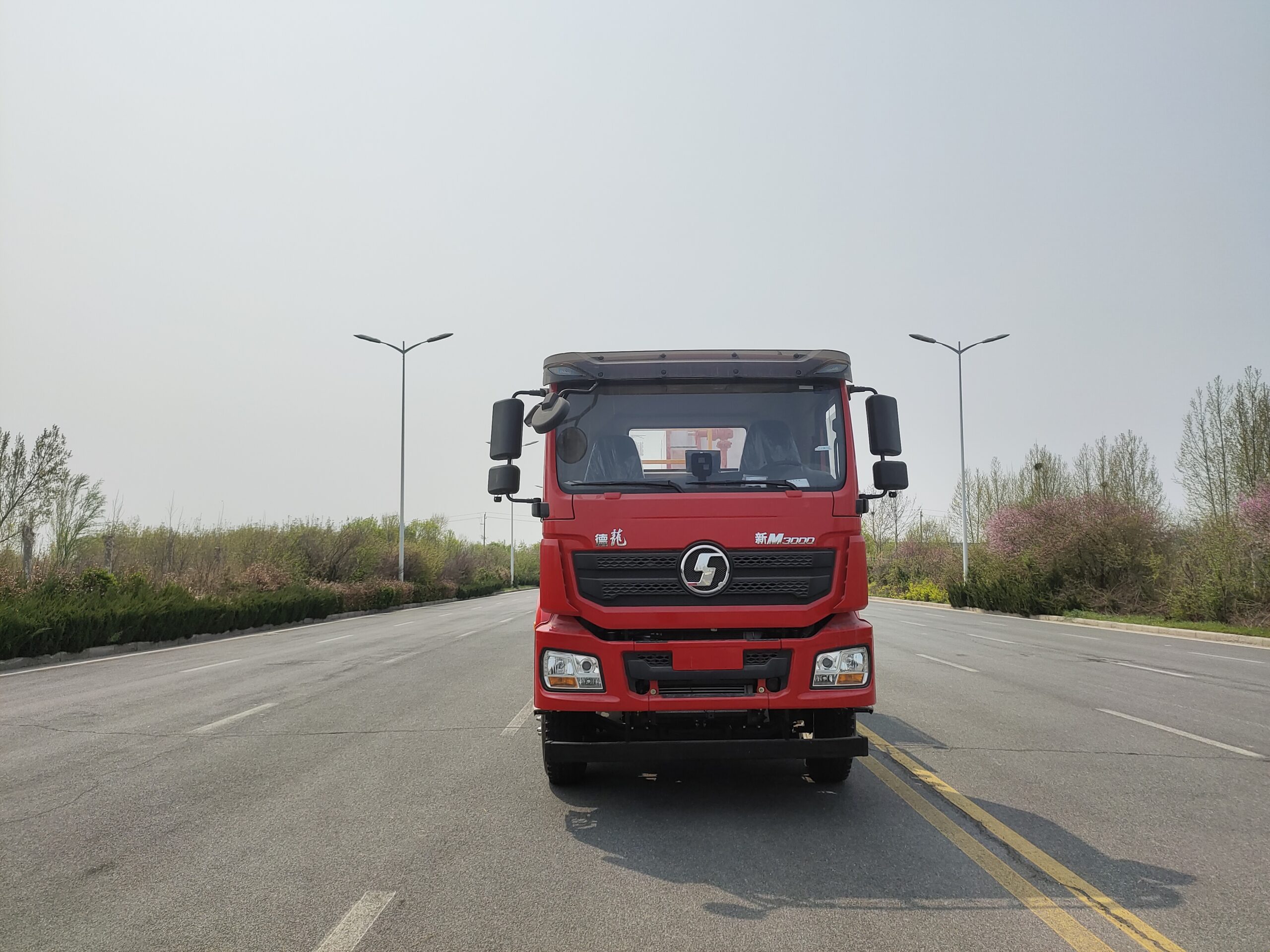
Define how often the equipment really moves
Describe the expected time at each location, the distance between jobs and whether a transport vehicle remains with the equipment. A permanently integrated truck can suit frequent movement, while a removable package may suit a different utilization pattern. Neither conclusion should be made without the site schedule. Ask what supporting resources are available for loading, unloading and positioning. A skid that is inexpensive to purchase may introduce a recurring mobilization burden if the buyer has to source suitable lifting and transport support for every move.
Separate structural and process interfaces
The skid needs defined support, securing and handling arrangements as well as fluid, power and control connections. Ask the supplier to distinguish operating supports from transport restraints and to provide the corresponding documentation. Do not assume that a frame suitable for stationary operation is automatically suitable for every transport or lifting method. Identify the responsibility for the carrier or chassis interface. The complete-truck alternative should be reviewed to the same level so integration work is not counted as included in one quotation and overlooked in the other.
Price the equipment that stays outside the module
Compare tanks, transfer equipment, hoses, power source, controls and storage in both offers. A removable skid may rely on site utilities that a truck carries onboard, or the truck may still require external return handling. Request a scope drawing showing included and excluded items. The pump rating alone cannot establish equivalence between the alternatives. List the people and equipment needed to reach operational readiness at a typical location, while keeping any time estimate conditional on the actual site and approved procedures.
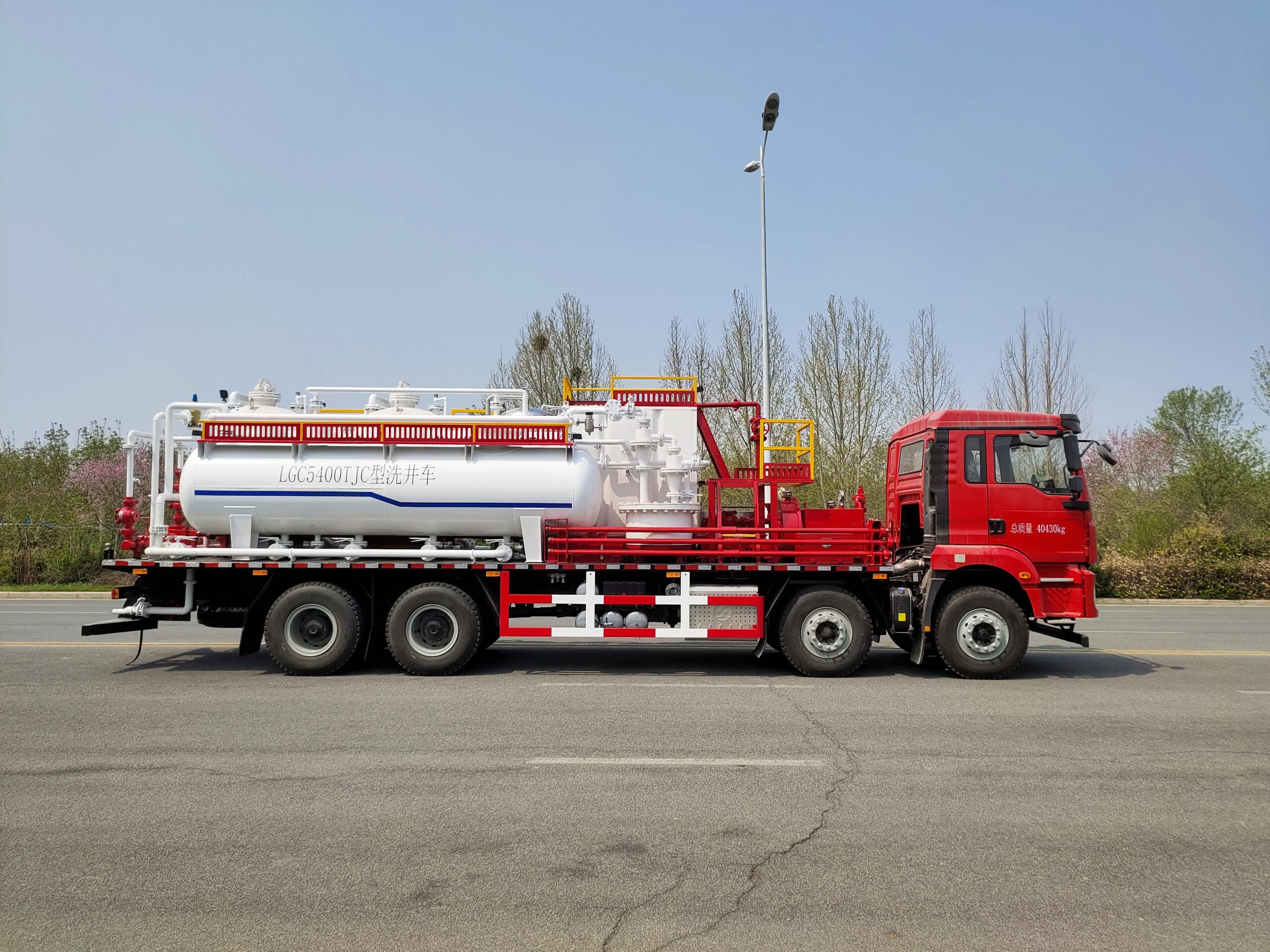
Review access and maintenance during deployment
Ask how technicians reach the pump, drive and service points when the skid is installed on its intended supports or carrier. A modular arrangement can simplify some replacement work but create other access constraints if connections or adjacent equipment obstruct the service route. For the integrated truck, check whether major maintenance requires removing unrelated components. Compare the practical repair plan and the storage arrangements for equipment not currently deployed. The decision should account for the working configuration, not only the accessibility of an unmounted module in a factory photograph.
Accept the package at its real boundaries
For the truck, demonstrate the agreed installed-system functions. For the skid, identify which interfaces are tested at the factory and which depend on destination equipment. Require an interface acceptance plan wherever responsibilities are divided. If interchangeable carriers are proposed, ask what conditions govern compatibility and what must be rechecked after a move. Select the architecture whose transport, support and operating boundaries match the fleet plan. Modularity has value when those interfaces are controlled; it is not a substitute for defining them.
Cost a complete relocation rather than a bare lift
For a removable package, list the resources needed to disconnect, secure, move, position and reconnect the equipment under the approved procedures. Then compare those resources with moving the integrated truck between the same locations. Keep estimates tied to the actual site and do not assume a universal setup duration. The comparison should include equipment that may be shared with other operations and therefore not always available. This exercise makes the fleet implications of modularity visible before a low module price is treated as a lower total deployment cost.
Put these items side by side in the bid review
| Purchase item | Question to resolve | Evidence to request |
|---|---|---|
| Integrated truck | Frequent movement and onboard scope | Complete vehicle layout |
| Removable skid | Transport and positioning resources | Handling and support documentation |
| Both alternatives | Same useful pumping duty | Included-equipment and interface comparison |
Suggested wording for the quotation request
Quote complete-truck and removable-skid alternatives for the attached deployment schedule. Identify lifting, transport, support, power and fluid interfaces; state all equipment required outside the quoted package. Explain factory and destination acceptance responsibilities and provide a comparable installed scope for both options.
Keep the decision tied to the complete oilfield flushing truck: pump, drive, clean-fluid supply, pressure-control equipment and the defined site interfaces. A component option should not quietly change the agreed cleanout duty or move essential equipment outside the price. Ask the supplier to identify assumptions, exclusions and deviations in the written offer, then resolve them with the responsible engineering and purchasing teams. Use the approved equipment documentation and site procedures for setup, testing and operation.
For the wider equipment scope, consult the Oilfield Flushing Truck: Configuration Guide. Use the RFQ checklist to collect the supporting documents before requesting a configuration-specific quotation.
Buyer questions
Does a skid include its transport and power source?
Not necessarily. Those items must be identified in the supply boundary and priced where required.
Is a removable package automatically easier to maintain?
No. Access depends on its installed position, connections and surrounding equipment. Review the actual service route in each proposed arrangement.
Background and supplier contact
OSHA oil and gas extraction guidance offers related background, not certification of the equipment in a quotation. Applicability must be checked for the project and destination.
Explore the oilfield flushing truck, browse all technical resources, or visit Vance Petroleum for company information. Send the relevant job inputs when requesting an equipment proposal.