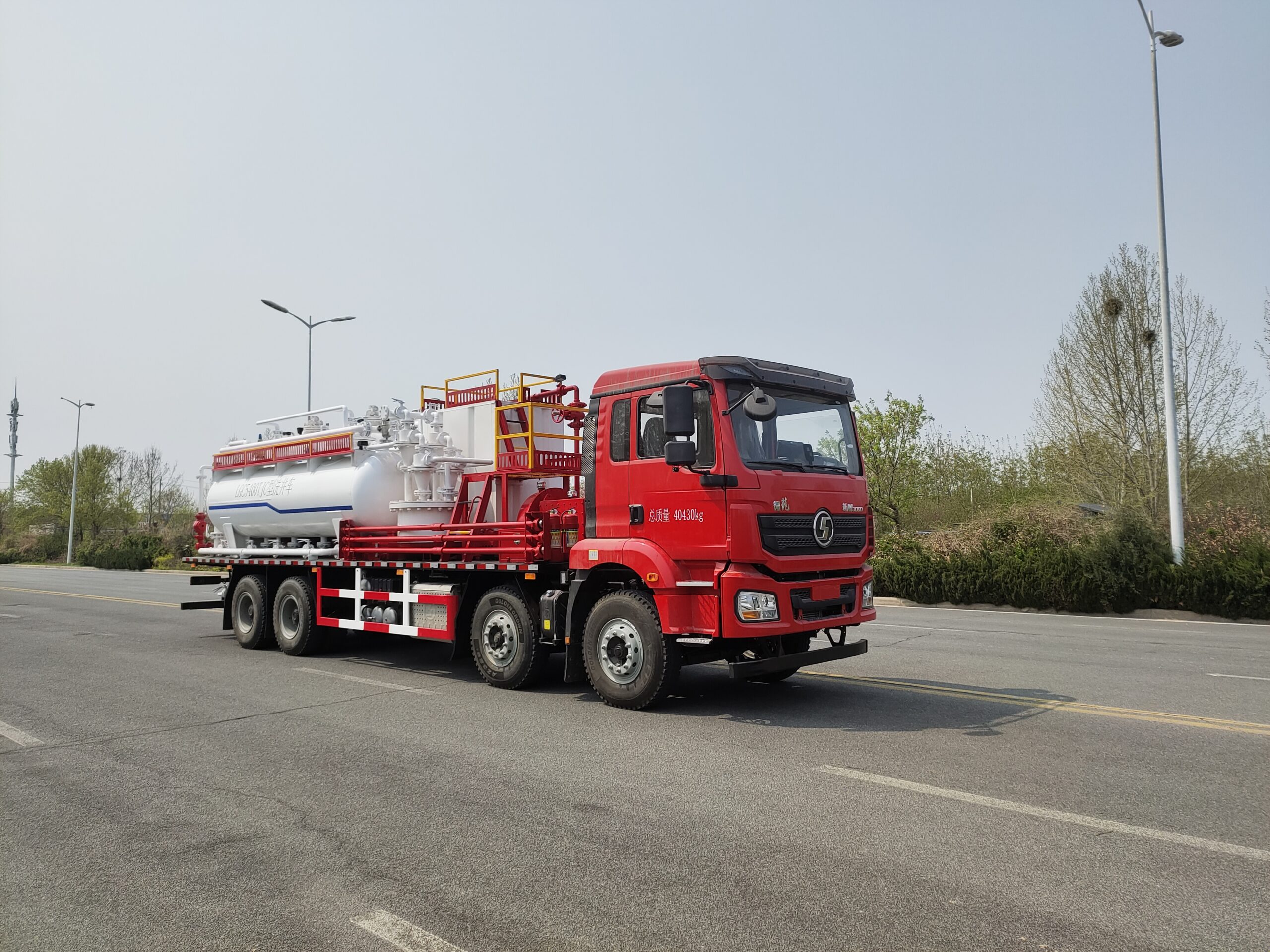
Confirm the chassis before ordering the package
Provide the exact chassis identification, configuration, age and relevant condition information rather than a broad brand description. Include available body-builder information and existing modifications. A package layout prepared for a similar wheelbase or transmission may not fit the actual vehicle. Ask the supplier which information is required to complete the integration review and which assumptions remain conditional. If the chassis has not yet been purchased, establish approval requirements before committing to it so a later incompatibility does not become a dispute between two completed orders.
Resolve mounting and drivetrain interfaces
Review the mounting arrangement, available frame space, permitted loads and any PTO-related interfaces with the responsible chassis and equipment specialists. Identify who designs and approves the changes. Do not assume that drilling, welding or repositioning existing vehicle components is allowed simply because it makes the pump package fit. Ask for a configuration-specific layout and a list of required chassis preparation work. The buyer should be able to distinguish routine installation from modifications that require separate authorization or could affect the vehicle support arrangements.
Allocate transport and custody responsibilities
State where the chassis is handed over, who arranges transport and what condition inspection takes place at receipt. Record the supplied accessories and documents. If the chassis arrives later than planned or requires repair, agree how the resulting schedule and cost are handled. Ask whether the equipment supplier stores the vehicle indoors or outdoors and what preservation scope is included. A customer-supplied item is still part of the delivery chain; leaving custody and readiness assumptions informal can undermine an otherwise well-defined technical purchase.
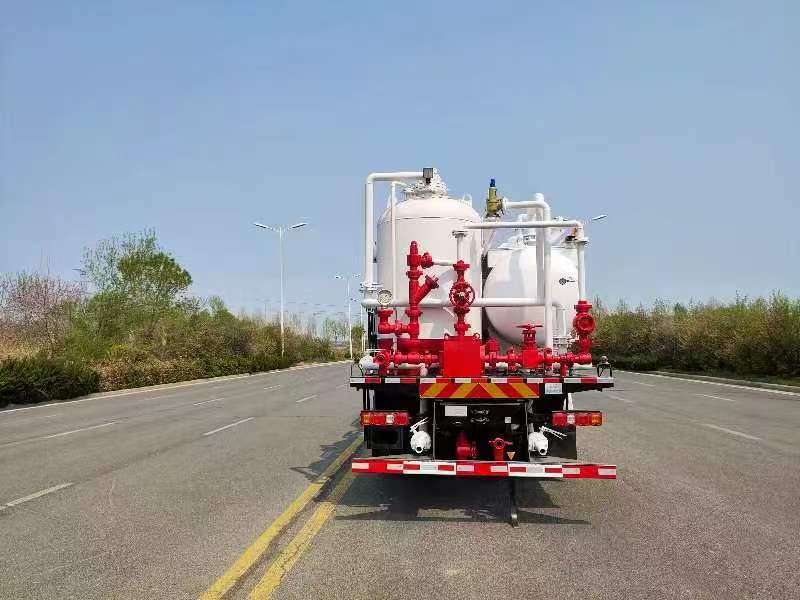
Define the integrated acceptance scope
Specify tests and inspections on the completed vehicle, not just on the pumping module before mounting. Review access, loading, controls and the approved operating configuration together. Identify the parties who must approve the final integration and the records delivered at handover. If some testing is deferred to the destination, make the boundary and responsibilities explicit. An accepted standalone pump package does not automatically establish that the completed truck satisfies the intended road, mounting and stationary-duty requirements.
Keep warranty boundaries usable in practice
Ask how a problem involving the chassis, PTO, mounting or pump will be investigated when the components come from different suppliers. Assign a coordinating contact and describe the documentation each party needs. Separate pre-existing chassis defects from integration work without creating a gap where neither supplier accepts responsibility for the interface. Compare the total retrofit scope with a complete-truck offer, including transport, inspection, possible rework and downtime. The customer-supplied route is valuable when the approved interfaces and support arrangements justify it, not merely when the module price is lower.
Review what happens if the supplied chassis is rejected
Agree how the supplier reports an incompatible interface or an unacceptable condition discovered at receipt. Identify who approves additional work and how the revised cost and schedule are presented. The buyer should not be forced into an unreviewed modification merely because the vehicle has already arrived at the assembly location. Equally, the equipment supplier needs a clear readiness standard for customer-supplied items. Resolving that process before shipment makes the retrofit arrangement easier to manage and keeps technical approval distinct from the commercial pressure created by a waiting chassis.
Put these items side by side in the bid review
| Purchase item | Question to resolve | Evidence to request |
|---|---|---|
| Chassis readiness | Exact configuration and condition | Identification and receipt inspection |
| Integration | Mounting, loads and drive approval | Approved interface drawings |
| Responsibility | Transport, delays and support boundaries | Written scope and handover matrix |
Suggested wording for the quotation request
Evaluate the attached customer-supplied chassis for the flushing package before confirming the order. List required preparation, integration approvals, loading calculations and drivetrain interfaces. Quote receipt inspection, storage, installation and completed-truck acceptance separately, with a clear responsibility matrix for schedule changes and warranty support.
Keep the decision tied to the complete oilfield flushing truck: pump, drive, clean-fluid supply, pressure-control equipment and the defined site interfaces. A component option should not quietly change the agreed cleanout duty or move essential equipment outside the price. Ask the supplier to identify assumptions, exclusions and deviations in the written offer, then resolve them with the responsible engineering and purchasing teams. Use the approved equipment documentation and site procedures for setup, testing and operation.
For the wider equipment scope, consult the Oilfield Flushing Truck: Commissioning Guide. Use the RFQ checklist to collect the supporting documents before requesting a configuration-specific quotation.
Buyer questions
Can any suitable-looking truck chassis accept the package?
No. The exact frame, loading, transmission, mounting and approval conditions need review before the package is confirmed.
Does supplying the chassis always reduce total cost?
Not necessarily. Transport, inspection, modifications, integration and support costs should be compared with a complete-truck alternative.
Background and supplier contact
OSHA oil and gas extraction guidance offers related background, not certification of the equipment in a quotation. Applicability must be checked for the project and destination.
Explore the oilfield flushing truck, browse all technical resources, or visit Vance Petroleum for company information. Send the relevant job inputs when requesting an equipment proposal.