Provide a usable fluid description
State whether the enquiry covers one known fluid or several liquids used across the fleet. Include available chemistry, density, temperature range and any added chemicals relevant to equipment selection. A trade name without a composition or specification may be insufficient for a meaningful review. Describe storage and idle periods as well as active pumping because residual fluid can remain in equipment between jobs. Where the analysis is incomplete, list the missing information and ask the supplier to make any conditional selection visible rather than silently assuming freshwater.
Request a wetted-component schedule
Ask the supplier to identify the materials and seal selections for the fluid end, valves, tank, piping and associated instruments. A stainless-steel component in one location does not establish the suitability of every part in the flow path. Identify which selections are standard and which are quotation options. The purpose is not to prescribe a material without engineering support, but to make the offered configuration reviewable. A component schedule also gives the buyer a basis for controlling later substitutions and identifying the correct replacement parts.
Compare the cost of dedicated and multi-fluid service
A truck intended for several fluids may need additional review of changeover, cleaning, storage and waste handling. Compare that scope with a dedicated package assigned to one service. A more broadly compatible material selection can still leave seal or instrumentation limitations unresolved. Ask which fluid combinations are covered by the supplier’s proposal and whether a new application requires reassessment. Avoid paying for a vague universal-compatibility claim when the operating fleet would benefit more from clearly defined service boundaries and controlled procedures.
Include preservation and replacement consequences
Request instructions appropriate to the offered materials for cleaning, draining and storage after the specified duty. Identify the parts whose inspection or replacement requirements depend strongly on fluid exposure. Compare the availability of those parts at the destination and the identification provided in the maintenance records. A lower initial price can be misleading if the selected fluid-end configuration requires parts that cannot be obtained within the planned campaign schedule. Keep consumables, wear parts and major assemblies separate when asking for initial stock recommendations.
Resolve exceptions before purchase approval
Ask the supplier to return a written response against each fluid case, including temperature and concentration limitations where relevant. Record any excluded chemicals or service conditions without trying to cover them with a generic warranty phrase. If a factory trial uses a substitute fluid, distinguish that functional demonstration from proof of chemical compatibility. The purchase decision should be supported by the selected component documentation and the responsible engineering review, while the test confirms the agreed operating functions of the actual installed package.
Review a proposed material substitution before approval
If the supplier changes a wetted material or seal type during procurement, request the reason and the evidence relevant to the stated fluids. Check the effect on replacement parts, preservation and any operating restriction. A substitution should not be accepted merely because the alternative has a higher purchase price or a familiar material name. Update the component schedule and spare-parts list together. This keeps the supplied configuration aligned with the original fluid review and prevents maintenance teams from relying on a parts reference that no longer describes the installed equipment.
Put these items side by side in the bid review
| Purchase item | Question to resolve | Evidence to request |
|---|---|---|
| Fluid envelope | Chemistry, temperature and idle exposure | Fluid specification or analysis |
| Wetted scope | Materials and seals by component | Configuration-specific schedule |
| Fleet flexibility | Changeover and excluded fluids | Written service limitations |
Suggested wording for the quotation request
Review the attached freshwater and brine cases separately. Identify the selected wetted materials, seals and instruments, with any concentration or temperature limits and excluded fluids. Quote required upgrades and initial service parts, and distinguish chemical-compatibility evidence from the functional factory test.
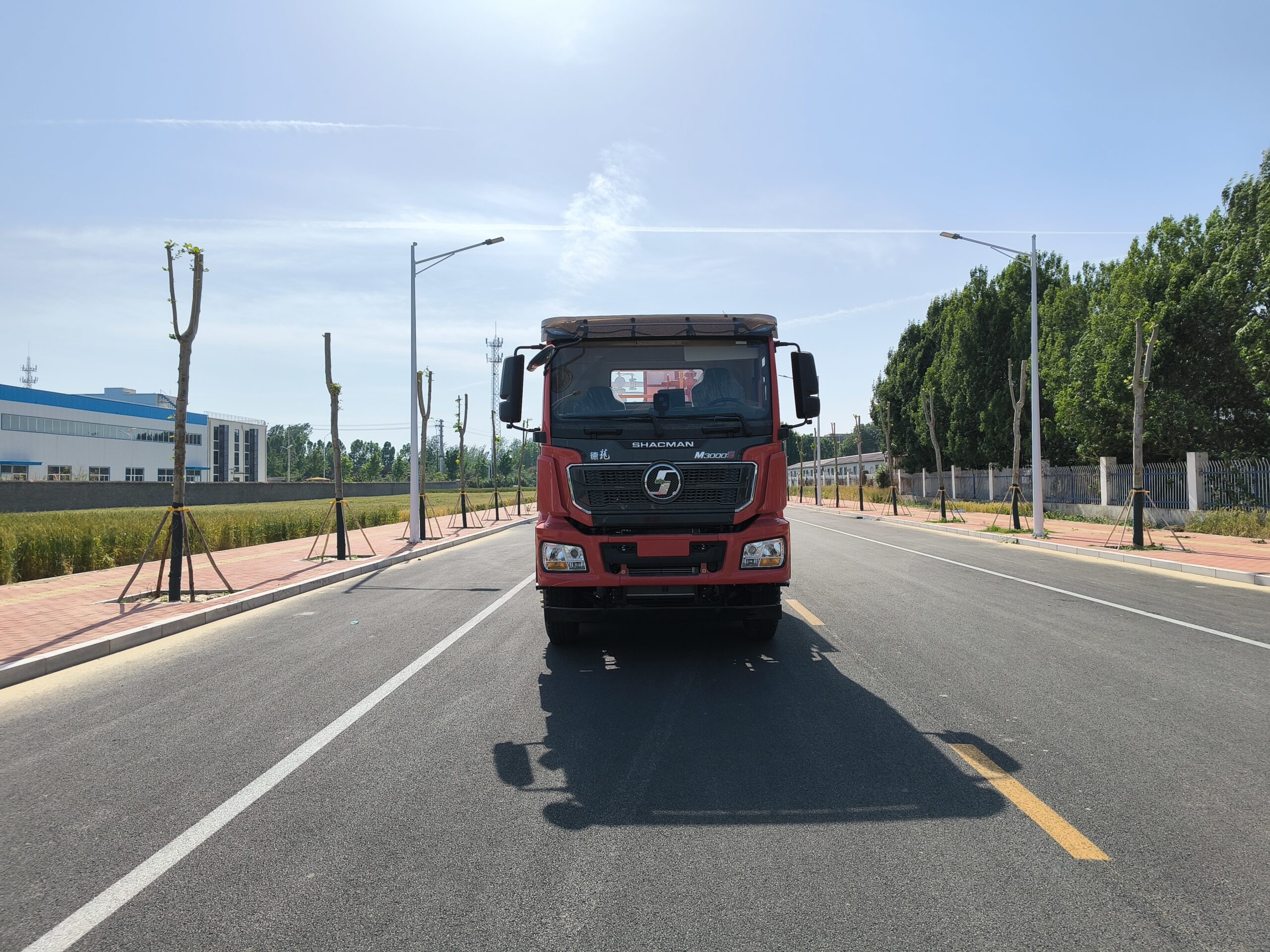
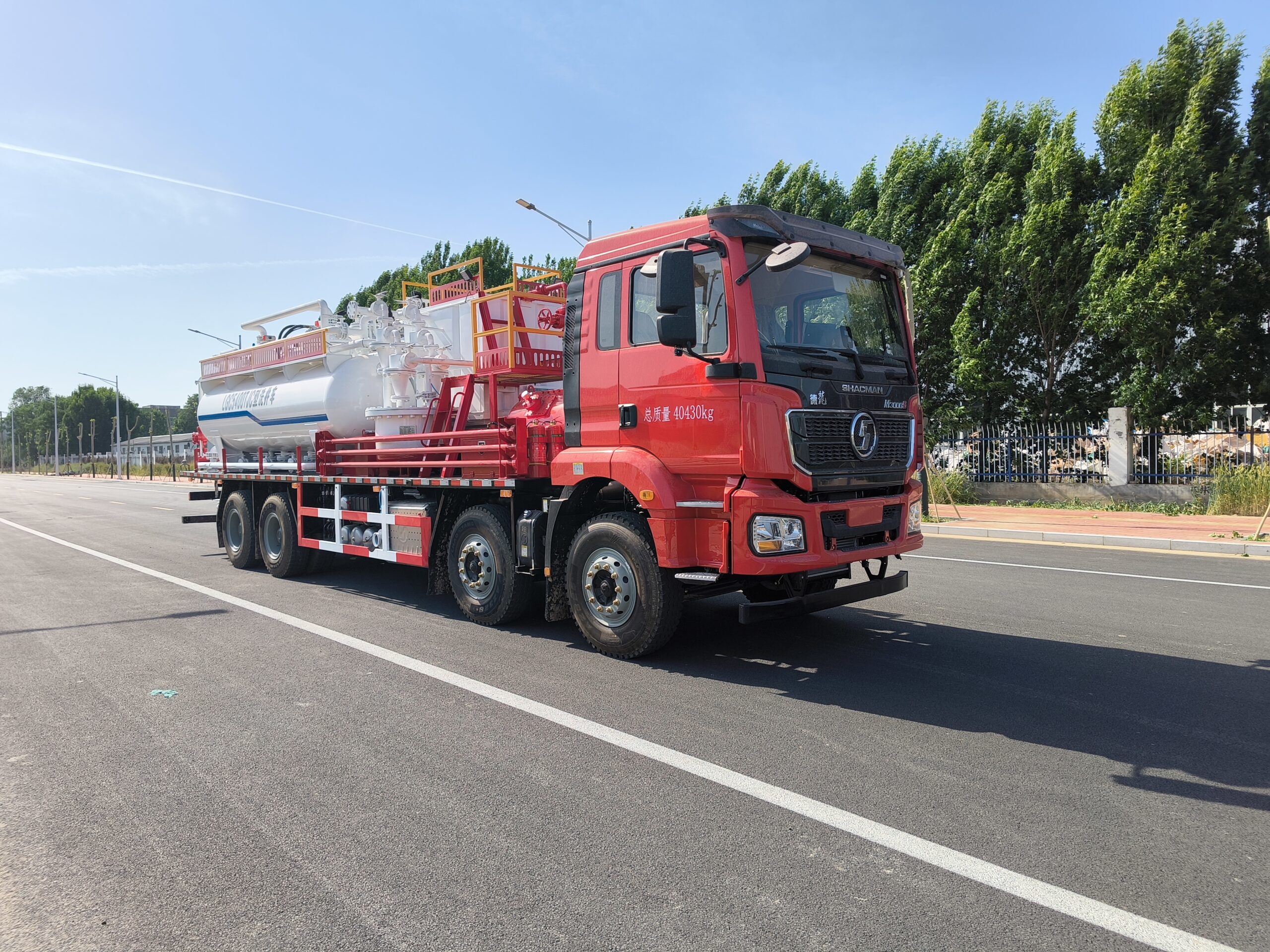
Keep the decision tied to the complete oilfield flushing truck: pump, drive, clean-fluid supply, pressure-control equipment and the defined site interfaces. A component option should not quietly change the agreed cleanout duty or move essential equipment outside the price. Ask the supplier to identify assumptions, exclusions and deviations in the written offer, then resolve them with the responsible engineering and purchasing teams. Use the approved equipment documentation and site procedures for setup, testing and operation.
For the wider equipment scope, consult the Oilfield Flushing Truck: Compatibility Guide. Use the RFQ checklist to collect the supporting documents before requesting a configuration-specific quotation.
Buyer questions
Does a stainless-steel tank establish brine suitability?
No. The pump, valves, seals, hoses and instruments also need review against the actual fluid and service conditions.
Can a clean-water test prove compatibility with brine?
It can demonstrate selected operating functions, but it does not by itself establish long-term material or seal suitability for the specified chemistry.
Background and supplier contact
Pump application information offers related background, not certification of the equipment in a quotation. Applicability must be checked for the project and destination.
Explore the oilfield flushing truck, browse all technical resources, or visit Vance Petroleum for company information. Send the relevant job inputs when requesting an equipment proposal.