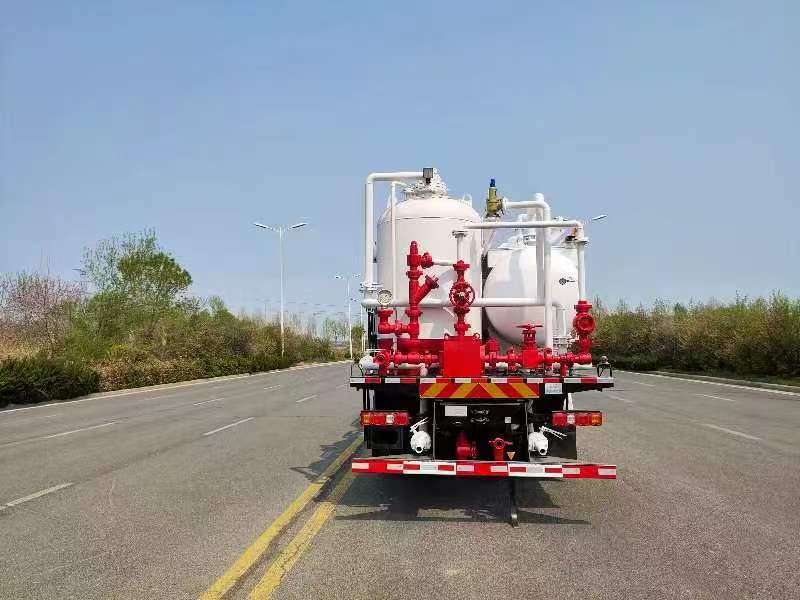
Separate the cleaning objective from the heat source
Describe whether the work involves circulation of debris, sand transport or deposits for which a thermal treatment has been selected by the responsible engineer. Not every flushing task benefits from hotter fluid, and heating alone does not establish that a deposit can be removed. Provide the fluid, expected return condition and permissible temperature boundaries. The supplier needs a defined duty to evaluate a heater; a request for the hottest available outlet can lead to an expensive package that does not match the actual cleaning objective.
Ask for a heat balance at the required rate
An outlet-temperature figure is incomplete without the inlet temperature, flow, fluid properties and operating assumptions. Request the offered heating performance at the same circulation rate used to select the pump. Identify the continuous duty and the conditions under which output may be limited. Compare whether different offers state burner input or useful heat transferred to the fluid. A large fuel-input number should not be ranked directly against another supplier’s useful-output figure without an explanation of the different boundaries and the applicable test conditions.
Review temperature through the complete flow path
The pump, seals, hoses, valves and instruments must be reviewed for the temperature they will actually experience. Ask where heating occurs relative to the pump and where temperature is measured. The return path also needs a defined operating envelope, especially where hot liquid is routed through site-supplied equipment. Do not assume that adding a heater to an otherwise suitable cold-fluid package leaves all component selections unchanged. Require a configuration-specific design review and record the boundary between truck equipment and the field circulation system.
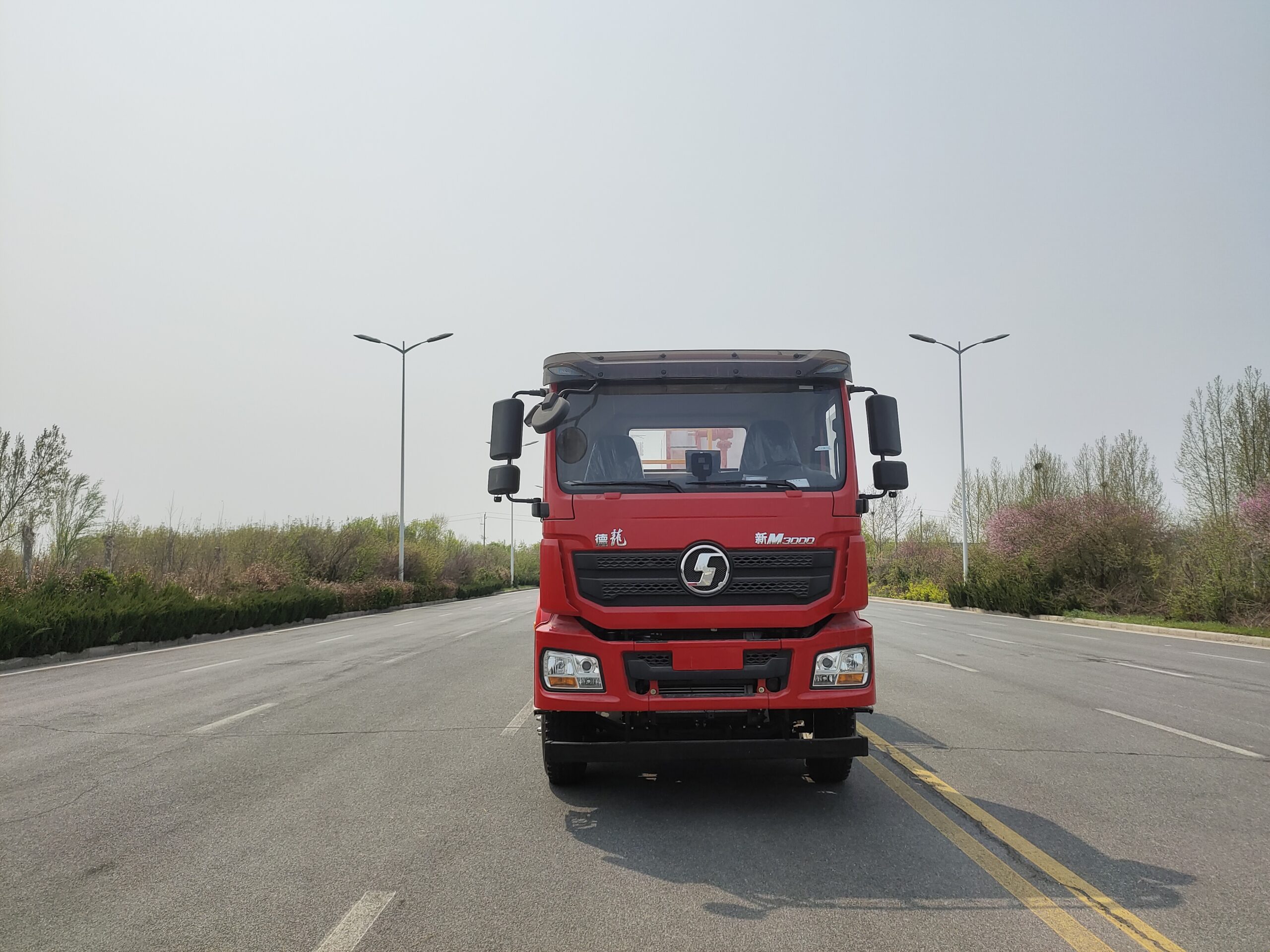
Price the integration, not just the heater
Include the fuel system, controls, protective functions, exhaust arrangement, service access and the resulting mass distribution in the comparison. A heater option can affect tank capacity or the chassis configuration needed for the complete truck. Ask for a layout showing inspection and maintenance access rather than a block added to a sales illustration. If heating is needed only for a small portion of the work, compare the operational consequences of an external thermal package with those of carrying the installed heater on every road journey.
Keep optional duties clear in the order
Quote cold-flushing capability and the heated operating cases separately. Define what the heater option adds, what it does not add and what evidence will support acceptance. The buyer should be able to identify whether a quoted maximum applies to a thermal test, a pressure test or normal circulation. Do not permit a steam-generation description to substitute for a hot-fluid duty without an engineering review of the intended process. The selected package should match the agreed treatment scope, with limitations visible before the purchase is approved.
Compare a base unit with a separately deployed heater
Where heated jobs are infrequent, ask whether a separate thermal package is a technically suitable alternative and what interfaces it would require. Include transport, site space, setup and responsibilities in that comparison. The answer may still favor an onboard heater, particularly when the operating schedule justifies carrying it, but the choice should be explicit. Keep the approved thermal and hydraulic boundaries together in the specification. A lower base-truck price is not a saving if essential fuel, controls or compatible connection equipment is simply moved outside the quoted scope.
Put these items side by side in the bid review
| Purchase item | Question to resolve | Evidence to request |
|---|---|---|
| Cold-fluid duty | Cleaning purpose and circulation needs | Approved job requirements |
| Thermal option | Heat delivered at the required rate | Heat balance and measurement locations |
| Truck integration | Mass, access and compatible components | Revised layout and equipment schedule |
Suggested wording for the quotation request
Quote a cold-flushing base unit and a separately priced heating option. State useful heat output, fluid inlet and outlet conditions, circulation rate, fuel demand and component temperature limits. Identify any change to tank capacity, chassis loading, protective functions or site equipment required for the heated configuration.
Keep the decision tied to the complete oilfield flushing truck: pump, drive, clean-fluid supply, pressure-control equipment and the defined site interfaces. A component option should not quietly change the agreed cleanout duty or move essential equipment outside the price. Ask the supplier to identify assumptions, exclusions and deviations in the written offer, then resolve them with the responsible engineering and purchasing teams. Use the approved equipment documentation and site procedures for setup, testing and operation.
For the wider equipment scope, consult the Oilfield Flushing Truck: Uses and Operation. Use the RFQ checklist to collect the supporting documents before requesting a configuration-specific quotation.
Buyer questions
Does a heater make every flushing operation more effective?
No. Its value depends on the deposit, fluid, circulation route and approved treatment method. The heating duty needs a specific engineering basis.
Can a steam boiler and a hot-fluid heater be treated as interchangeable?
No. They serve different process duties and may require different equipment and protection. State the required service explicitly in the enquiry.
Background and supplier contact
OSHA oil and gas extraction guidance offers related background, not certification of the equipment in a quotation. Applicability must be checked for the project and destination.
Explore the oilfield flushing truck, browse all technical resources, or visit Vance Petroleum for company information. Send the relevant job inputs when requesting an equipment proposal.