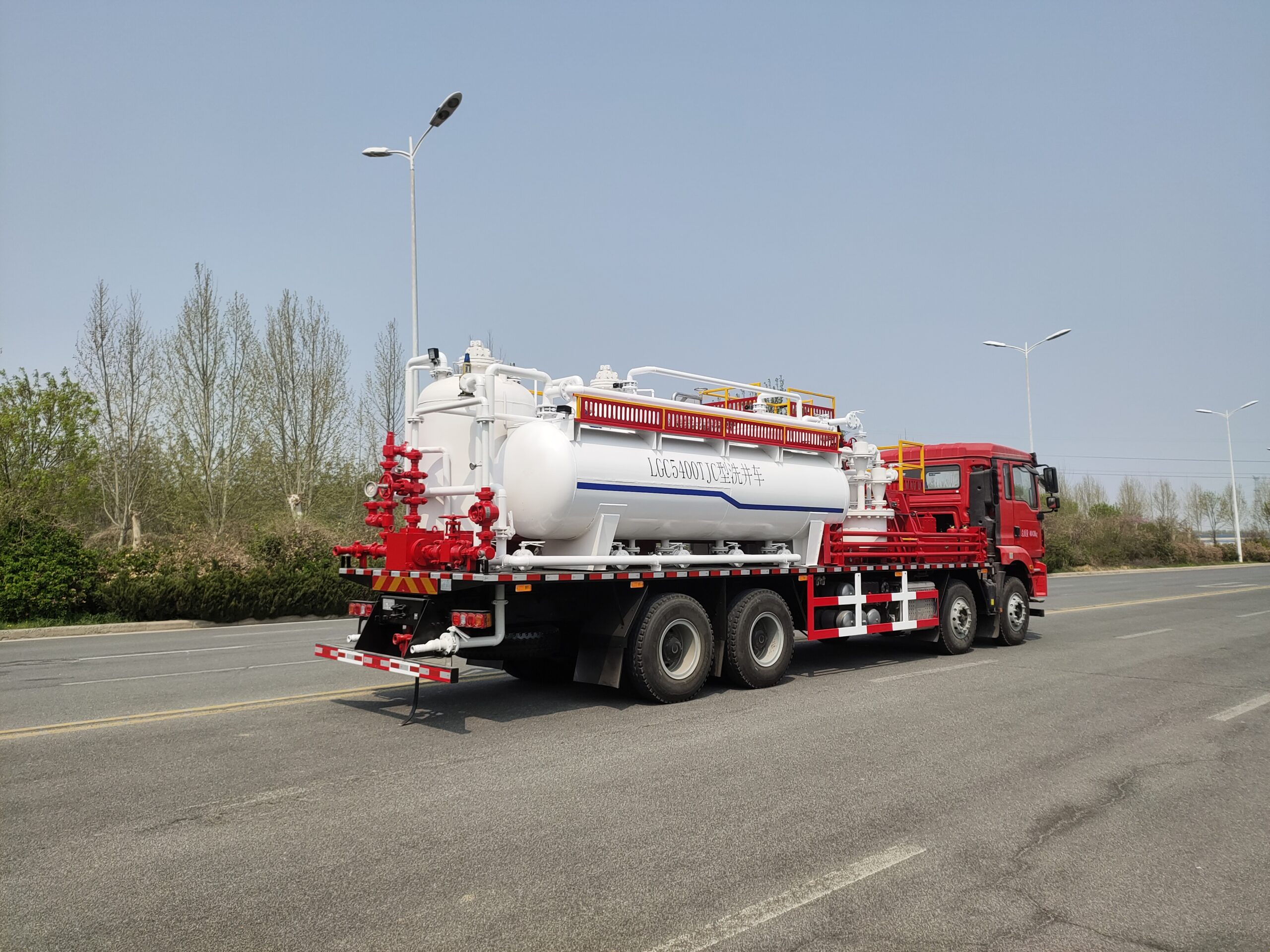
Describe the cold condition that matters
Specify the expected ambient range, exposure duration and whether the truck remains outdoors between shifts. Identify any heated shelter or dependable site power available during idle periods. A unit started in a warm workshop and then operated outside has a different requirement from one expected to restart after a long unpowered cold soak. Ask the supplier which condition its quoted temperature statement describes. The procurement record should make these distinctions explicit so a relatively modest storage arrangement is not mistaken for verified cold-start capability.
Map the entire fluid-containing system
Review the pump, valves, instruments, drain paths, tanks and temporary connections rather than focusing only on the largest vessel. Small isolated volumes can remain exposed even when the main enclosure is insulated. Ask for a drawing showing which components receive protection and which require a site procedure or separate equipment. The supplier should identify drainable and non-drainable sections and the instructions that govern them. Avoid prescribing improvised heating methods; the package design and operating procedures must address the actual fluid and electrical environment.
Compare active protection with its dependencies
Where heaters or heat tracing are proposed, request their power demand, control arrangement and the conditions under which they operate. Identify whether protection relies on the chassis engine, an auxiliary supply or external electricity. If the site cannot guarantee that supply while parked, the quotation must address the consequence rather than imply continuous protection. Include monitoring and access for inspection in the review. A package may perform well while running yet leave important components unprotected during the shutdown period that dominates the campaign’s exposure.
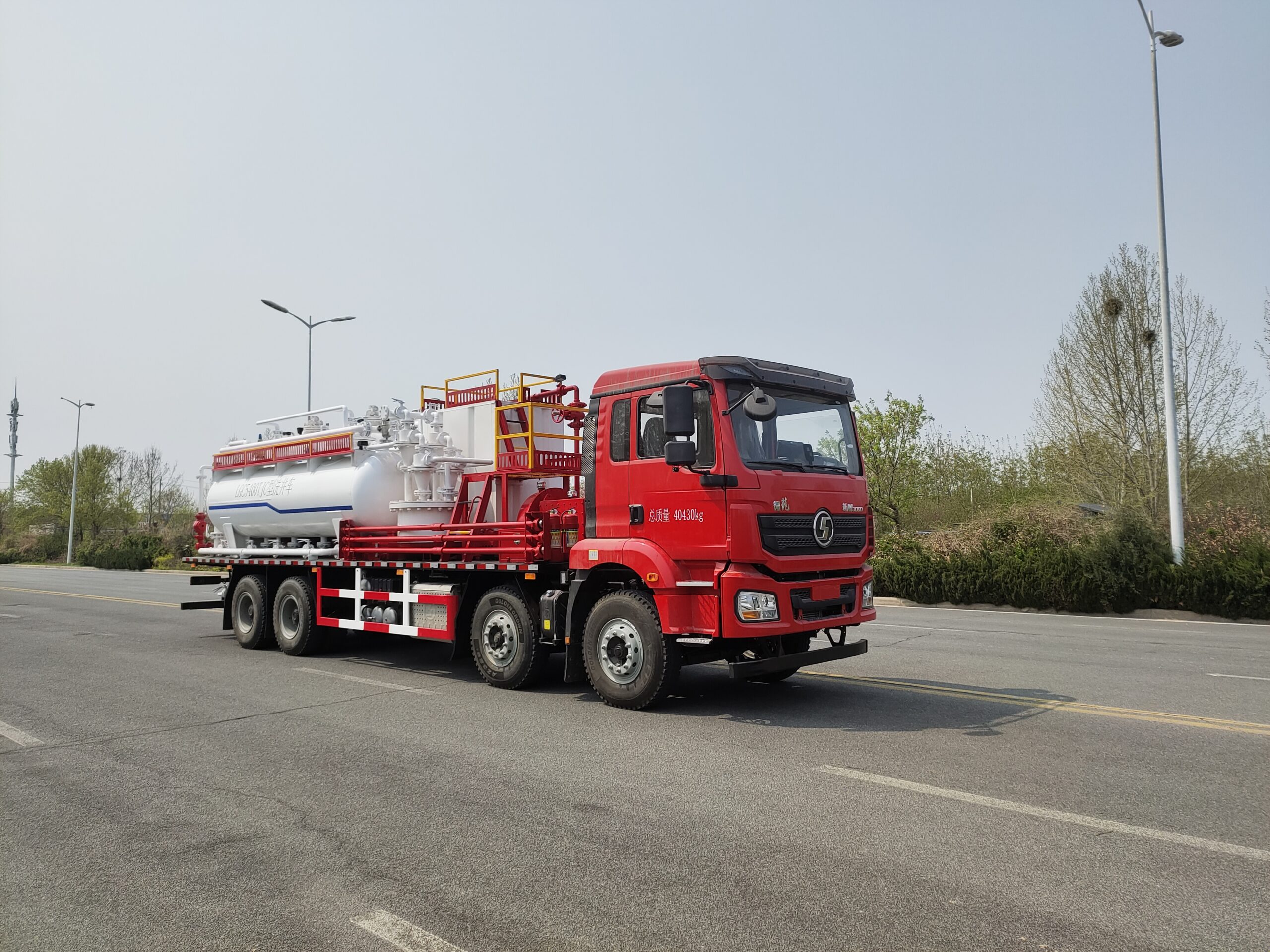
Review chassis and maintenance compatibility
Cold-weather equipment can add weight and restrict access to routine service points. Ask whether the chassis, lubricants, batteries and other selected components are covered by the same operating basis as the pumping package. Request maintenance access drawings or photographs for insulated enclosures. Covers that are difficult to remove can turn a routine inspection into a lengthy task in poor conditions. Compare the destination availability of replacement heaters, sensors and enclosure parts as well as the standard pump consumables required for normal service.
Agree on evidence for the quoted capability
Specify how cold-start, operating and storage claims will be substantiated, recognizing that a standard factory environment may not reproduce the site. Acceptable evidence must be agreed for the particular order and clearly identify any untested assumptions. Ask for the final protection schedule, operating limitations and handover instructions. A generic temperature label should not close an unresolved requirement. Choose the package whose protection boundaries and power dependencies the operating team can actually support throughout travel, use and shutdown, not the one with the lowest advertised temperature alone.
Price the unpowered overnight case separately
Ask the supplier to address the actual period when neither the engine nor external electricity is available. Identify the protection that remains effective and the actions required by the approved preservation procedure. This case often differs from an active-pumping demonstration and should not be hidden within the same temperature statement. Compare any required site shelter or auxiliary supply with the buyer’s operating plan. The purpose is to purchase a supportable cold-weather arrangement, not to require equipment to perform under a condition that was never included in its design or quotation.
Put these items side by side in the bid review
| Purchase item | Question to resolve | Evidence to request |
|---|---|---|
| Cold start | After the stated idle exposure | Starting basis and component approvals |
| Active operation | Fluid paths and available power | Protection and electrical load schedules |
| Parked storage | Loss of external support | Defined preservation and restart requirements |
Suggested wording for the quotation request
Quote winterization for the separate cold-start, operating and parked-storage cases provided. Identify protected components, electrical demand, drain and preservation requirements, and all site-supplied services. State the evidence supporting each temperature claim and price any additional enclosure or monitoring equipment separately.
Keep the decision tied to the complete oilfield flushing truck: pump, drive, clean-fluid supply, pressure-control equipment and the defined site interfaces. A component option should not quietly change the agreed cleanout duty or move essential equipment outside the price. Ask the supplier to identify assumptions, exclusions and deviations in the written offer, then resolve them with the responsible engineering and purchasing teams. Use the approved equipment documentation and site procedures for setup, testing and operation.
For the wider equipment scope, consult the Oilfield Flushing Truck: Remote Field Guide. Use the RFQ checklist to collect the supporting documents before requesting a configuration-specific quotation.
Buyer questions
Does insulation alone establish freeze protection?
No. The review must consider exposure time, retained fluid, heat sources and operating or storage procedures for the entire relevant system.
Can an operating temperature claim be used as a cold-start rating?
Not automatically. Ask the supplier to define the condition and supporting evidence for each stated capability.
Background and supplier contact
OSHA oil and gas extraction guidance offers related background, not certification of the equipment in a quotation. Applicability must be checked for the project and destination.
Explore the oilfield flushing truck, browse all technical resources, or visit Vance Petroleum for company information. Send the relevant job inputs when requesting an equipment proposal.